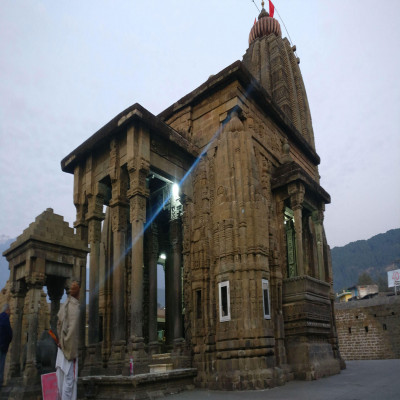
One of the great examples of North Indian architecture, Baijnath Temple holds an utter divinity. The Baijnath Temple in Baijnath town, Kangra District, also holds the position to be singular as it is carved with excellent perfection. According to Shiva Purana, it is one of the 12 Shiva lingams that was established by Lord Shiva himself. When you enter the temple, you feel infinite bliss.
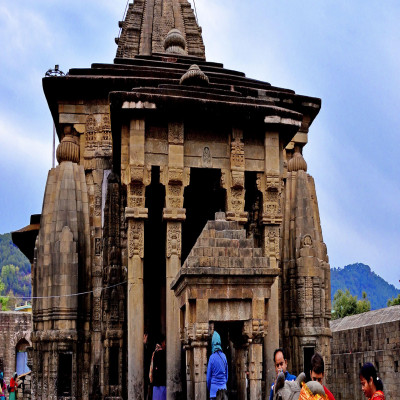
It was built in 1204 A.D. by two local merchants named Ahuka and Manyuka. It is dedicated to Lord Shiva as Vaidyanath ‘the Lord of physicians. According to the inscriptions on the present-day Baijnath temple structure, the temple of Lord Shiva had existed before the construction of the present-day structure. The inner sanctum houses a Shiva lingam. Further images are carved in the walls and in niches on the exterior.
Welcome to the sacred abode of Baijnath Mahadev Temple, a divine sanctuary nestled in the serene Himalayan foothills. With a rich history dating back centuries, Baijnath Mahadev Temple stands as a testament to timeless devotion and architectural marvel. Dedicated to Lord Shiva, this hallowed site echoes with the chants of devotees seeking solace and blessings. As one of the oldest temples in Uttarakhand, Baijnath Mahadev Temple beckons pilgrims and spiritual seekers alike to experience its tranquil ambiance and profound spiritual resonance.
Top Attractions in Baijnath Temple
1. Lord Ganesha
The temple consists of the magnificent idol of Lord Ganesha who is the son of Lord Shiva. The statue is carved beautifully and looks ready to speak. It is also believed that visiting the temple can extend your wisdom and enhance your decision-making ability. Lord Ganesha temple is one of the must-visit temples in Himachal Pradesh.
2. Lord Harihara
Another idol is Lord Harihara that also speaks a lot about the mythological figure. This entails the union of Lord Shiva and Lord Vishnu.
3. Architecture
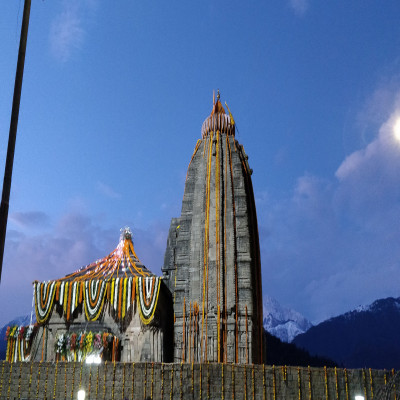
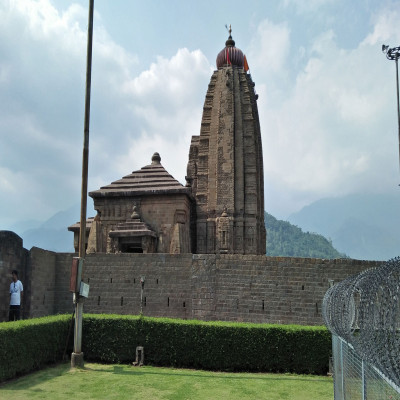
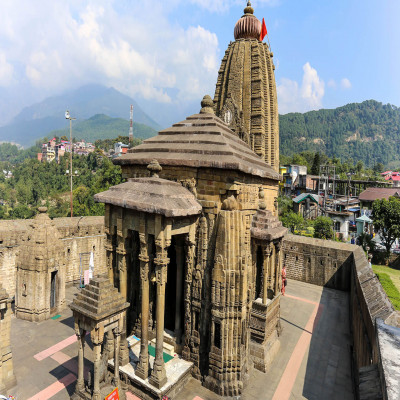
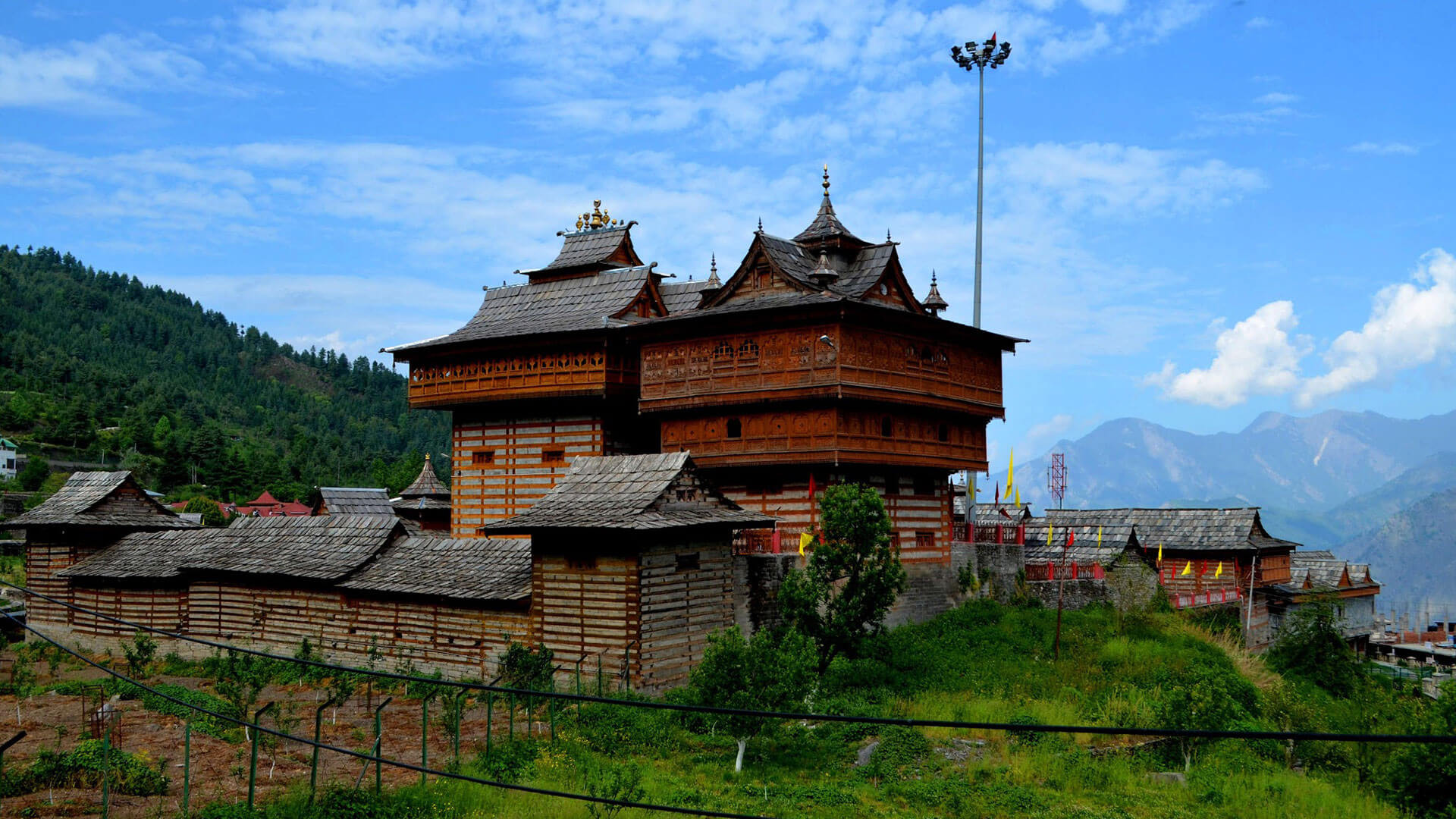
The architecture of the Baijnath temple in Himachal Pradesh hints at an early medieval North Indian style which is popularly called 'Nagara'. There are two entrances, north, and south and a vast vestibule in the middle with balconies on either side.
This is the Mandap. Before the Mandap is a small porch that is based on four columns. On this porch rests Nandi, the mount or Vaahan of Lord Shiva. The inner sanctum, where the Shivaling lies, is surrounded by walls that are speckled with artistic drawings and paintings.
4. Inscriptions
Inscriptions on the walls of the temple indicate that before the present temple, a shrine of Lord Shiva rested on the same spot. Also, lush green gardens and manicured lawns make a perfect foreground for this unique and ancient structure.
Things to Do in Baijnath Temple
1. Garden and Entrance
When you enter the temple, you will encounter a vast garden that is well-trimmed and spreads a soothing vibe. You can sit for a while and enjoy the scenery of Baijnath.
Best Time to Visit Baijnath Temple
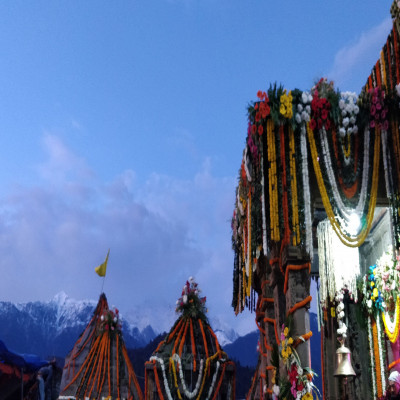
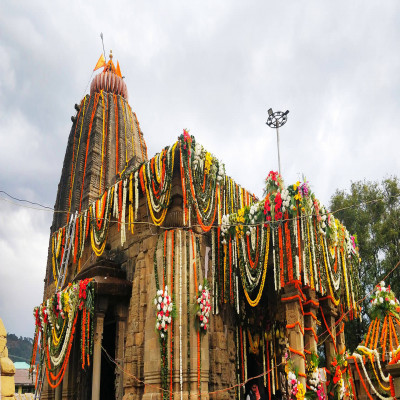
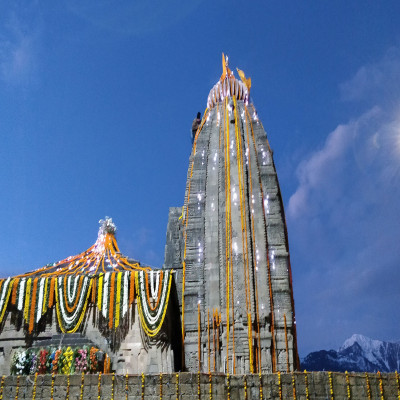
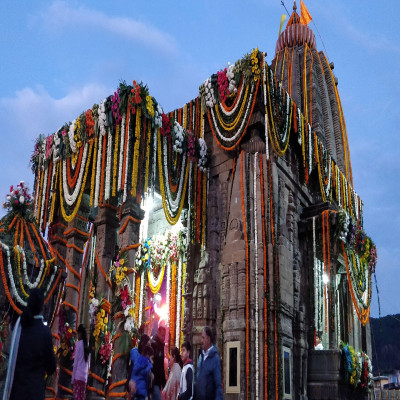
This is a holy shrine and is opened from morning to evening. Also, if you want to get the hue of the fullest and tenderest weather of Kangra, visiting in the months of October and November will be perfect. Also, you will enjoy the festive season as the temple is laced with the vibration of the festivity.
How to Reach Baijnath Temple?
Air
The Kangra Airport is the nearest airport to the Baijnath Temple. After reaching the airport, you can easily get the bus or other modes of transport to reach the temple.
Rail
The nearest railway station is the Kangra Mandir Railway Station. At the station, you can find a hub of transport towards the temple.
Frequently Asked Questions About Baijnath Temple
Q1. What is the story behind Baijnath Temple?
A. Baijnath Temple is dedicated to Lord Shiva and holds a significant mythological tale. According to legend, it is believed that Lord Shiva and Goddess Parvati were married at this sacred site. The temple's origin dates back to ancient times, and its architecture and carvings reflect the rich cultural heritage of India.
Q2. What is the story behind Baijnath Temple?
A. The story behind Baijnath Temple dates back to Hindu mythology, where it is believed to be the place where Lord Shiva and Goddess Parvati were married. According to legend, Lord Shiva agreed to marry Goddess Parvati at this sacred site after she performed intense penance to win his favor.
You can plan your trip and create your own route to the city with Adotrip’s technically driven circuit planner. Click here