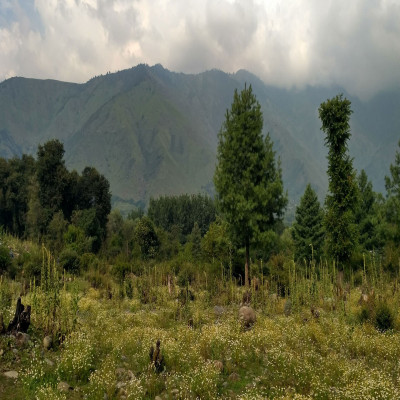
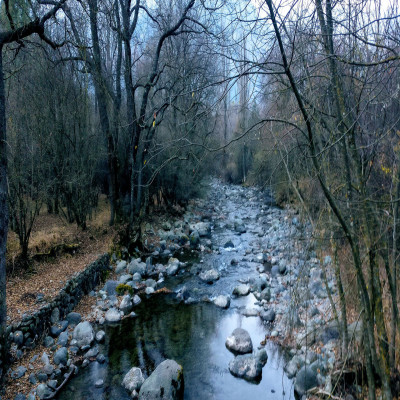
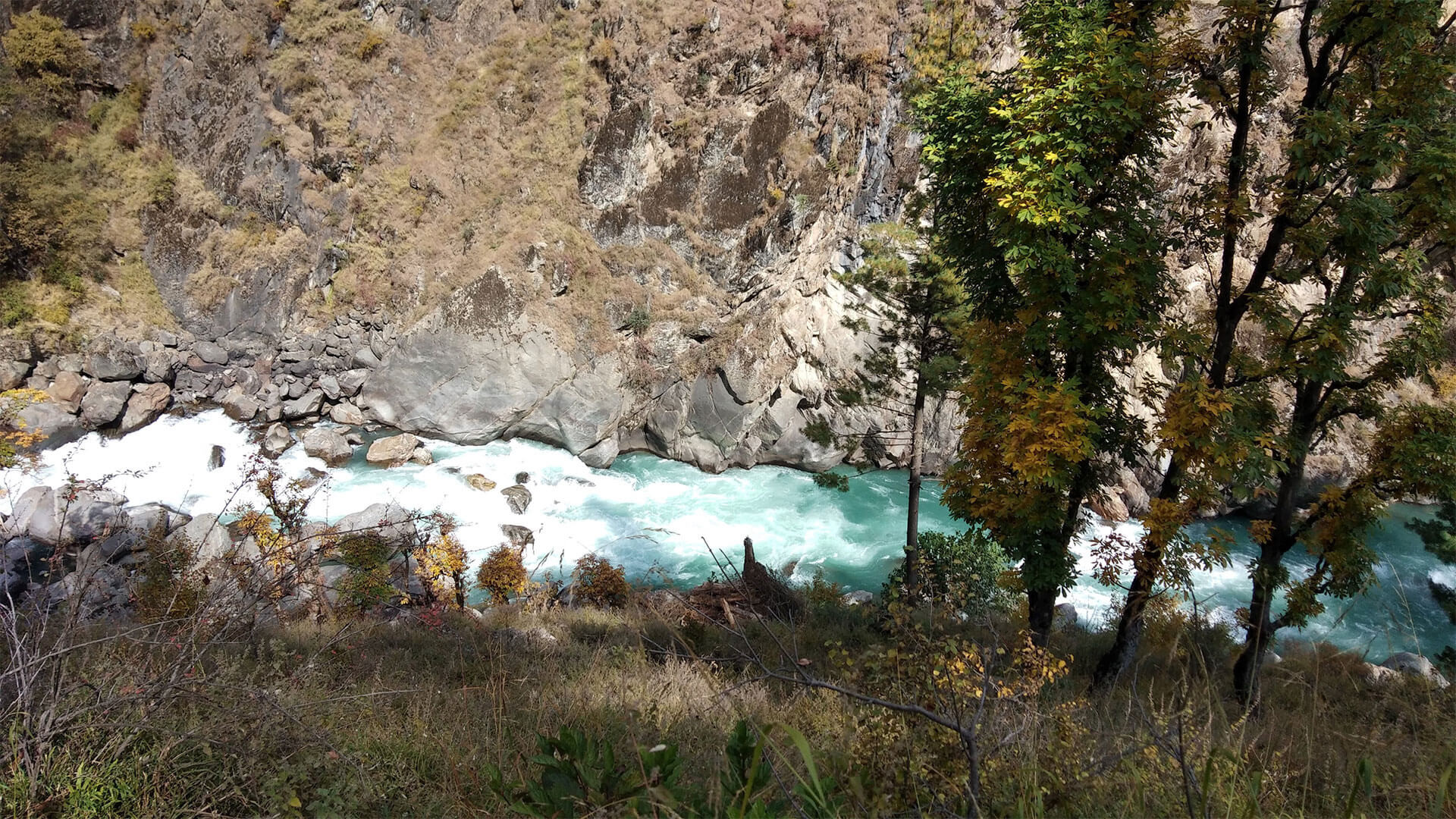
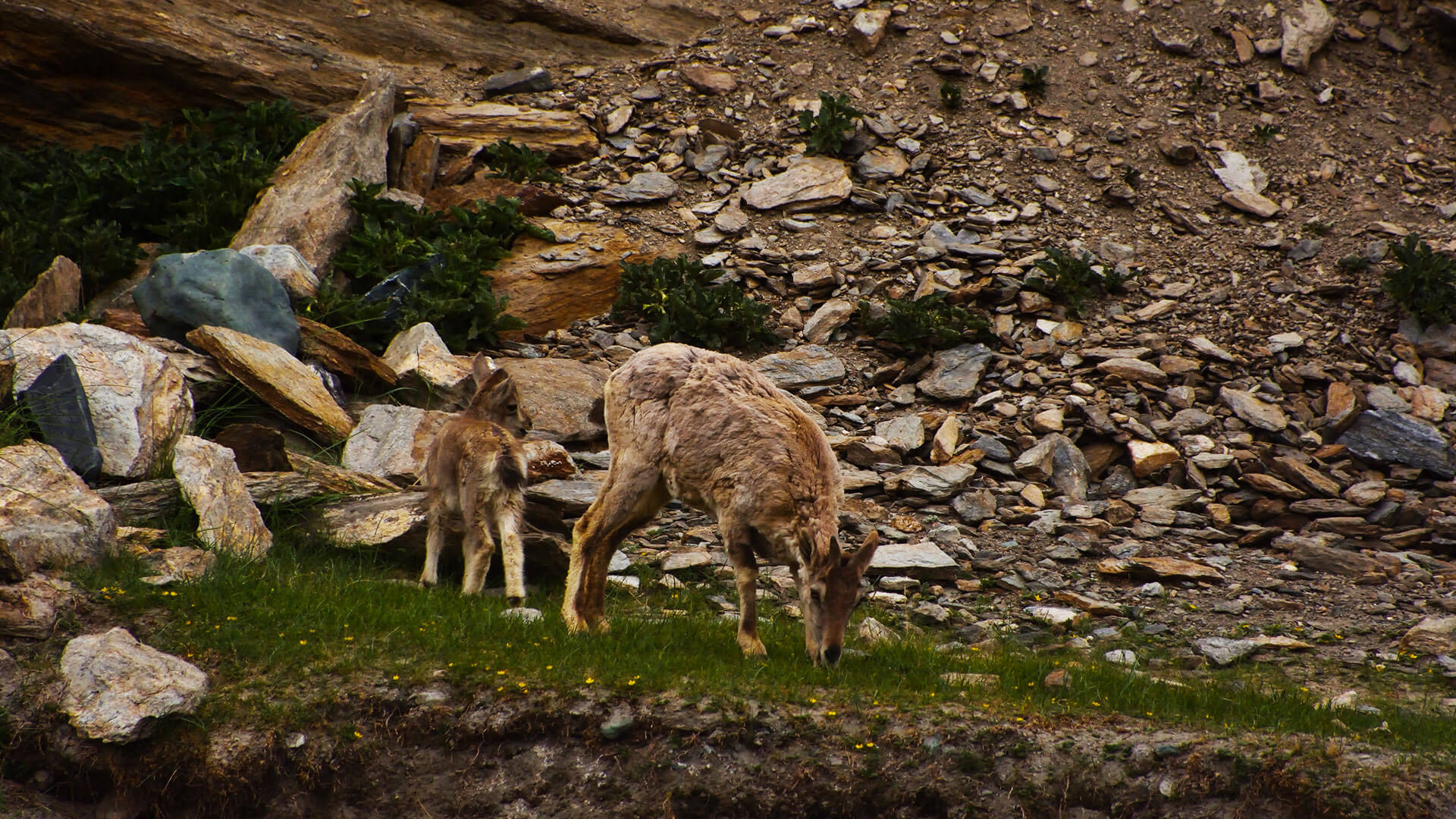
Located at a distance of around 22 kilometers from Srinagar, this park is known for its natural beauty that is spread in an area of around 141 square kilometers. Dachigam National Park is known for Hangul (elk) as well as many other species of flora, fauna, and beautiful terrain.
The word Dachigam means ‘10 villages’ and, if locals are to be believed then those villages were relocated for the formation of the park. The locals also claim that these villages were settled there even before the beginning of World War I. So, in memory and honor of those 10 villages, the national park was named Dachigam. Today the national park is a hot tourist destination for locals and tourists alike.
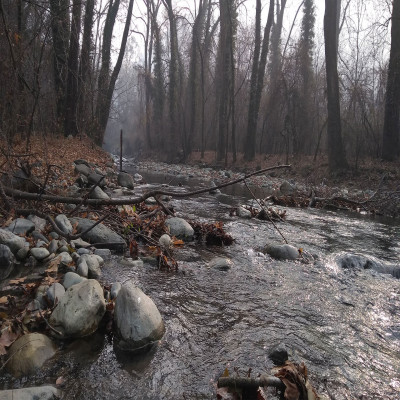
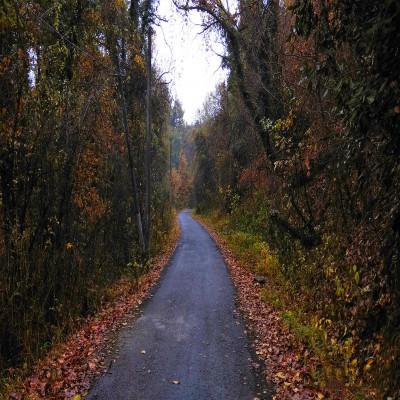
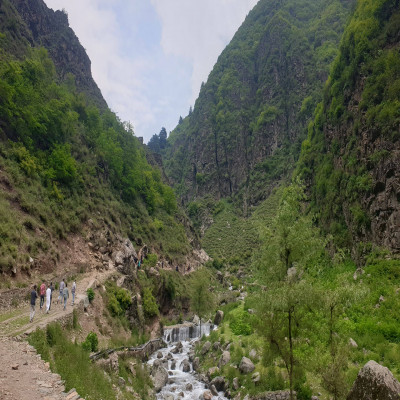
Dachigam National Park features an uneven topography due to a great variation in its altitude. Being located in the Zabrawan range of the Himalayas the park’s altitude varies from 5500 ft to 1400 ft above sea level. Due to this complex geographical location, the national park comprises green grassland, pastures, meadows, and rocky hill cliffs. Visitors, nature lovers, and wildlife enthusiasts from across the country arrive here to witness the ethereal beauty of this place.
Moving to the best time to visit Dachigam National Park. Because Dachigam is divided into two parts: Upper Dachigam and Lower Dachigam, the upper part that comprises the hilly region is not open for visitors in winters hence it's best to explore that part between June and August, the lower part that comprises green meadows and forest cover can be explored throughout the year.
History of Dachigam National Park
This park has been kept protected since the year 1910. First, it was under the care of the Maharaja of Jammu and Kashmir, and later it was under the observation of the concerned Indian authorities. What is really interesting about the park is the fact that initially it was created to ensure a clean drinking water supply to Srinagar. Much later it was upgraded and declared as the National Park in the year 1981.
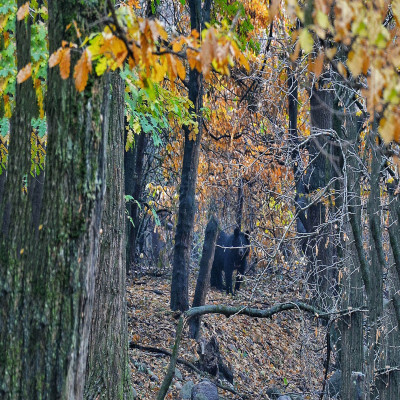
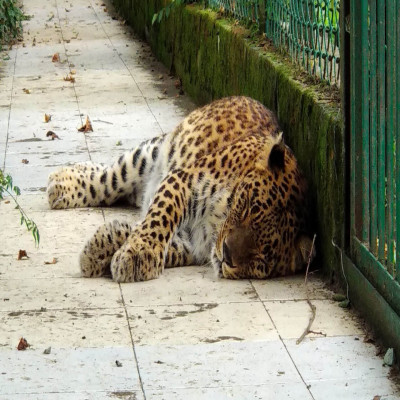
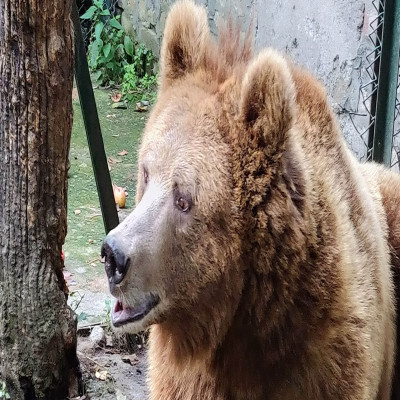
Dachigam National Park is known countrywide for being home to the endangered Hangul (Kashmir Stag), a species of elk. Besides Hangul, the park is also known for its rich biodiversity which comprises unique species of flora, fauna, and diverse topography. Apart from Hangul, visitors may spot Leopard, Musk deer, Himalayan black bear, Himalayan brown bear, Hill fox, Himalayan Monal, Kashmir flycatcher Bearded Vulture, and more species of wildlife in their natural habitat.
Major Attractions in and Around Dachigam National Park
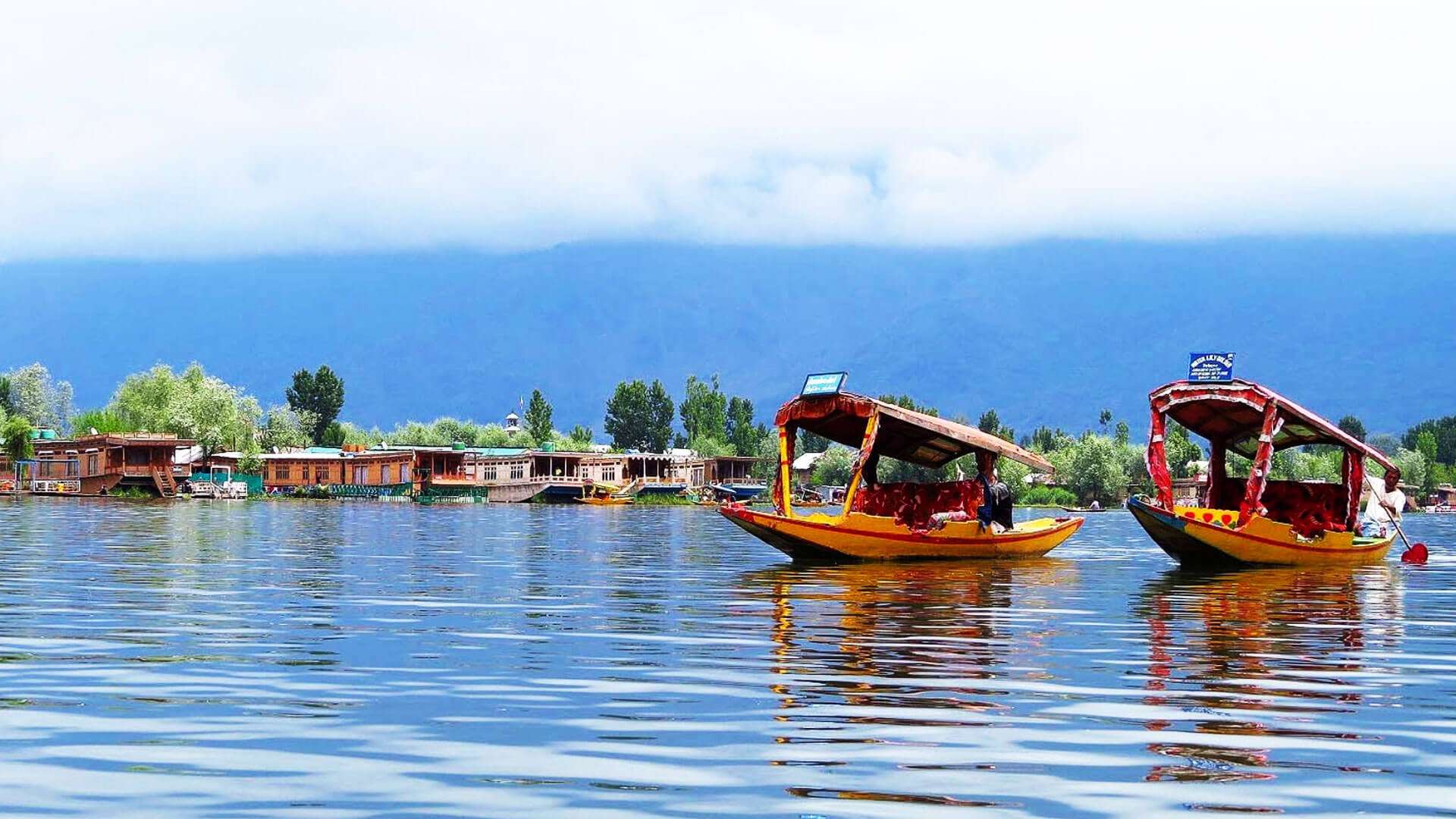
1. Dal Lake
Situated in Srinagar, this is an urban lake that is also considered the second largest in the state. This tourist attraction located in Kashmir is quite popular when it comes to serious recreational activities. What is quite interesting is the fact that it has been bestowed by many names such as the “Lake of Flowers”, and “Srinagar’s Jewel” for its impeccable beauty.
2. Sonmarg
The beauty of Sonmarg is really bewitching for anyone to experience. And this is the kind of place where you'll lose track of time and won't regret it. The mountains here are covered with conifer trees which make the whole scene quite phenomenal.
3. Pahalgam
Pahalgam is a hill station that is full of scenic beauty and is definitely a feast to the eyes. This is the kind of place which is submerged in the lush greenery along with the alluring Himalayas. Pahalgam is a beautiful place that would leave you spellbound with its vast & raw beauty and is also the starting point of the annual Amarnath Yatra.
4. Shalimar Bagh
This one is located on the very outskirts of Srinagar. Some of its other names are Shalimar Garden and Mughal Garden. It is worth knowing that Mughal Emperor Jahangir built this famous bagh and he did so for his wife Nur Jahan in the year 1619.
5. Nishat Bagh
It can be said that the Nishat Bagh is particularly a terraced Mughal Garden which was built on the eastern side of the Dal Lake. An interesting thing to know about the garden is that, to date, this is the largest Mughal Garden located in the Kashmir Valley.
6. Betaab Valley
This tourist attraction in Kashmir was earlier known by the name of Hagan Valley. And there is no doubt in the fact that this is an amazingly breathtaking combination of some of the most beautiful places to explore. The valley got named after a movie called ‘Betaab’ which was picturized on Sunny Deol and Amrita Singh.
How to Reach Dachigam National Park
Dachigam National Park is a beautiful natural treasure of Srinagar. For nature aficionados, this is just the perfect place to be at. To reach here you will need to cover a total distance of about 800, 2,168, 2,327, 2,971 km from Delhi, Mumbai, Kolkata, and Bengaluru respectively. Check out the details given below on how you can reach Dachigam National Park.
By Air
Srinagar Airport aka Sheikh ul-Alam International Airport is the nearest airport located about 20-40 km away. This is basically a military airbase and is managed by the Indian Air Force along with the Airports Authority of India. In 2005, it was given the title of an international airport. Due to this, this beautiful travel destination also became available to international tourists as well.
The airport has very good connectivity with other Indian airports via direct and connecting flights. After getting off the airport, consider booking a cab or avail some locally available means of transportation to reach your destination.
- From Jaipur - Board Air India, Go Air, IndiGo flights from Srinagar Airport. The airfares start from INR 4,000 - INR 5,000
- From Bhopal - Board Air India, Go Air, IndiGo flights from Bhopal Airport. The airfares start from INR 4,000 - INR 5,000
- From Guwahati - Board IndiGo, AirAsia Vistara flights from Guwahati Airport. The airfares start from INR 6,000 - INR 7,000
By Train
If you are planning to travel via train, then deboard at Jammu Tawi Railway Station (JAT) or you can even consider deboarding at the Udhampur Railway Station (UHP) at your convenience. Both the stations have been fairly well-connected with other Indian cities receiving regular trains. Thus, making a reservation online won’t be a problem at all for anyone. After deboarding at one of these stations, consider taking some means of public transportation to reach here.
By Road
The overall connectivity via road to Srinagar is quite good. So, if you are planning a road trip then there is no reason to not go ahead with the decision. The amazing sceneries on your way will leave you awe-struck for years to come. You can also reserve a seat by booking an inter-state tourist bus or a private bus (according to your budget and comfort) to reach the national park. Apart from that, you can also book taxis from nearby regions or also travel via your own car.
- Shimla - 630 km via NH44
- Amritsar - 434 km via NH44
- Dehradun - 730 km via NH44
You can plan your trip and create your own route to the city with Adotrip’s technically driven circuit planner. Click here.