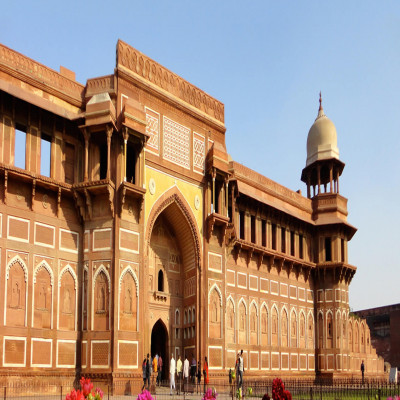
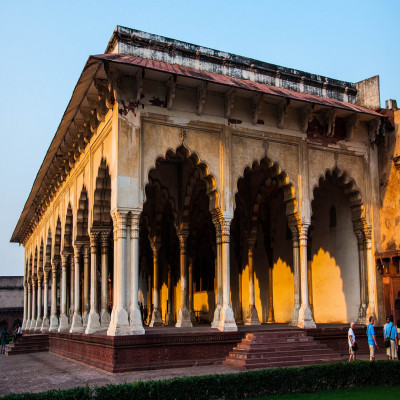
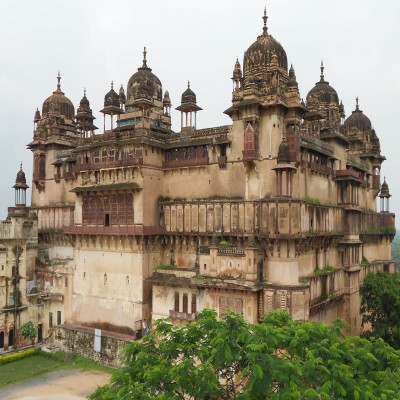
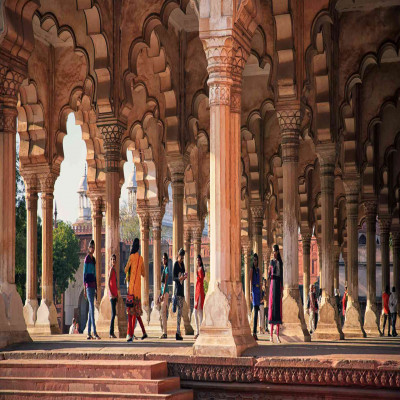
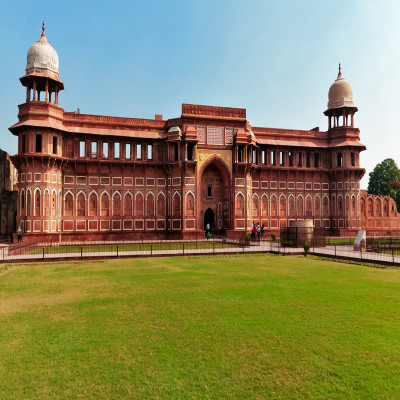
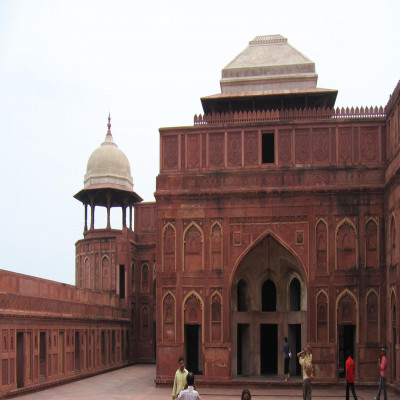
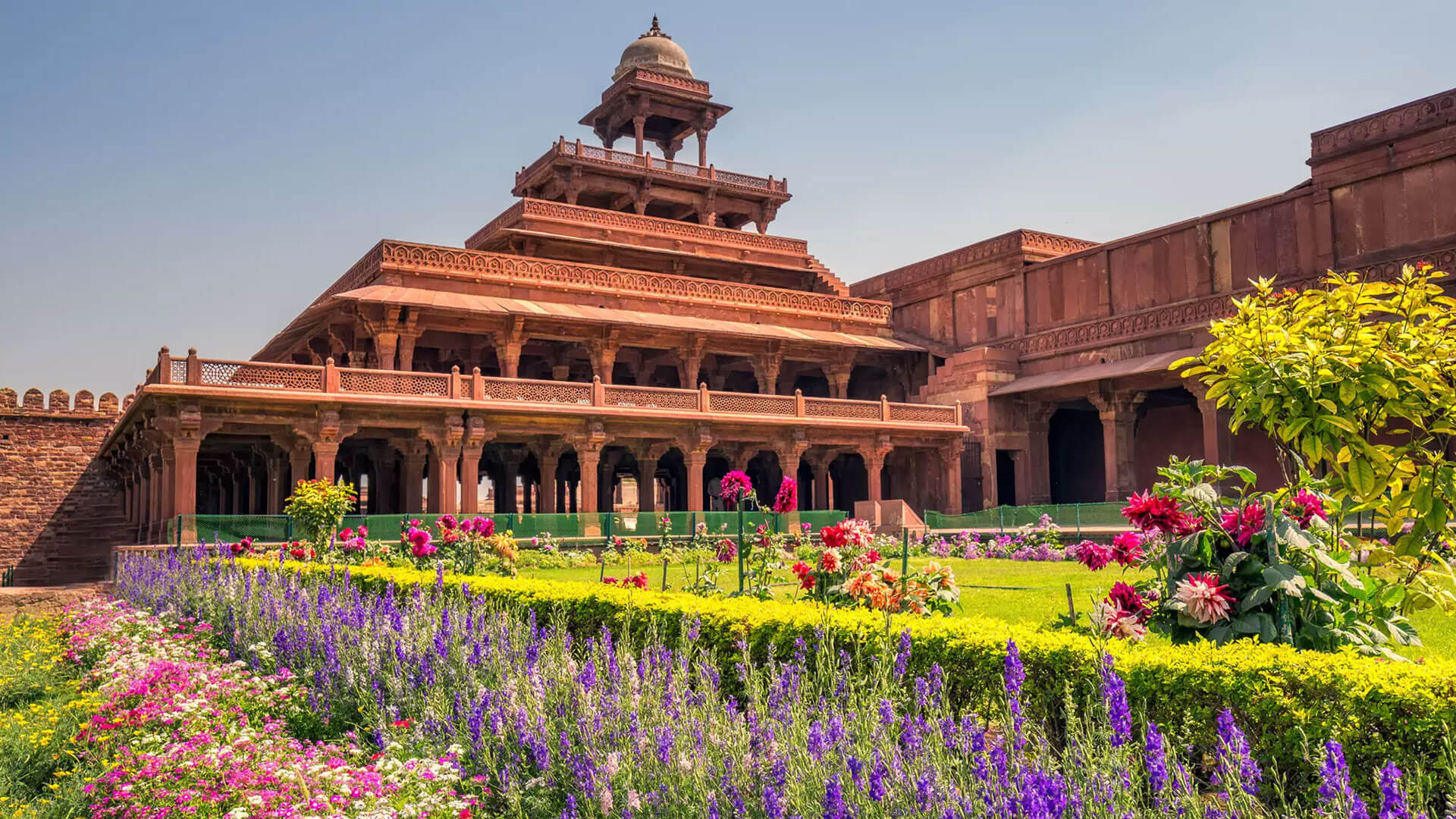
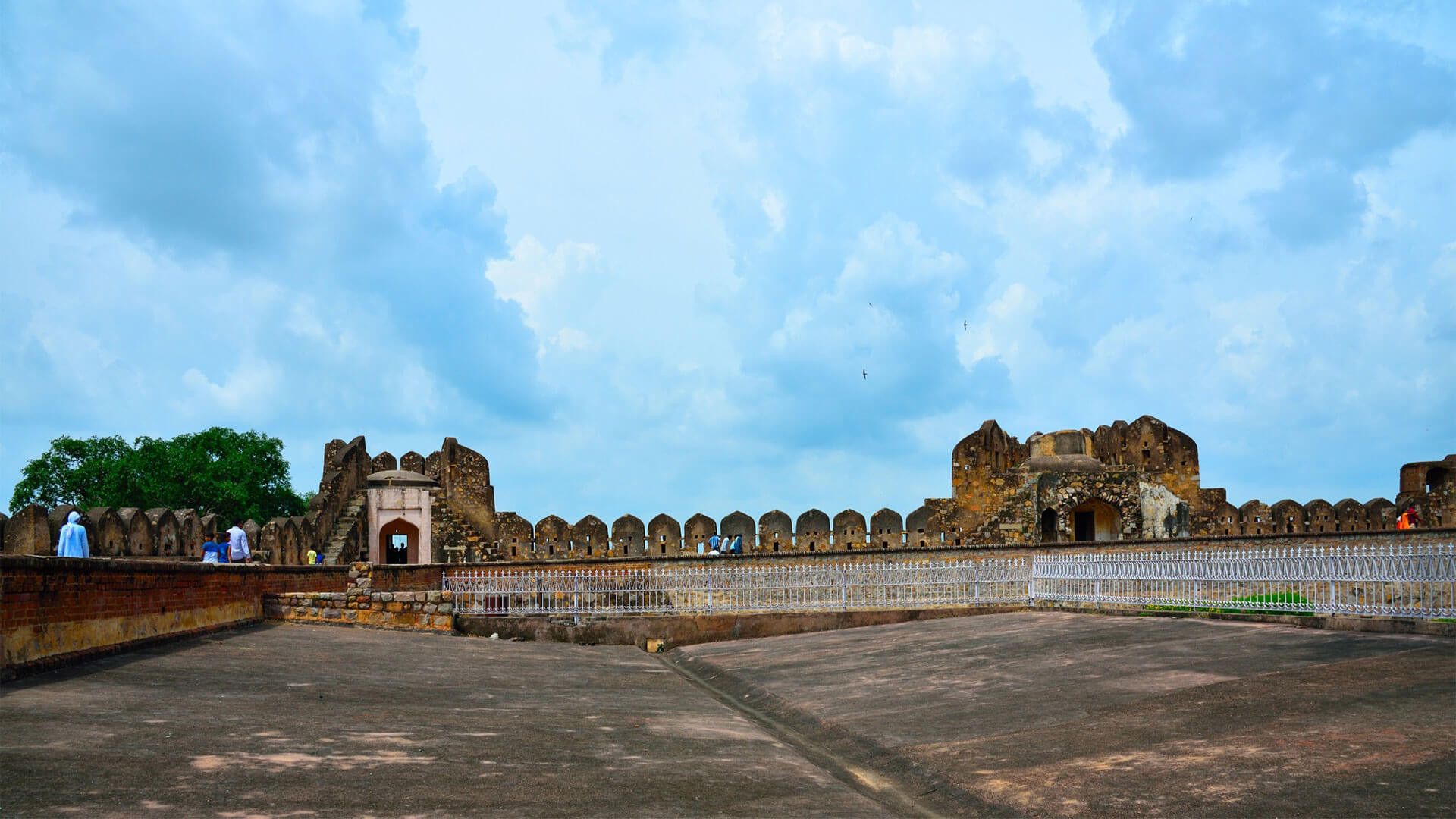
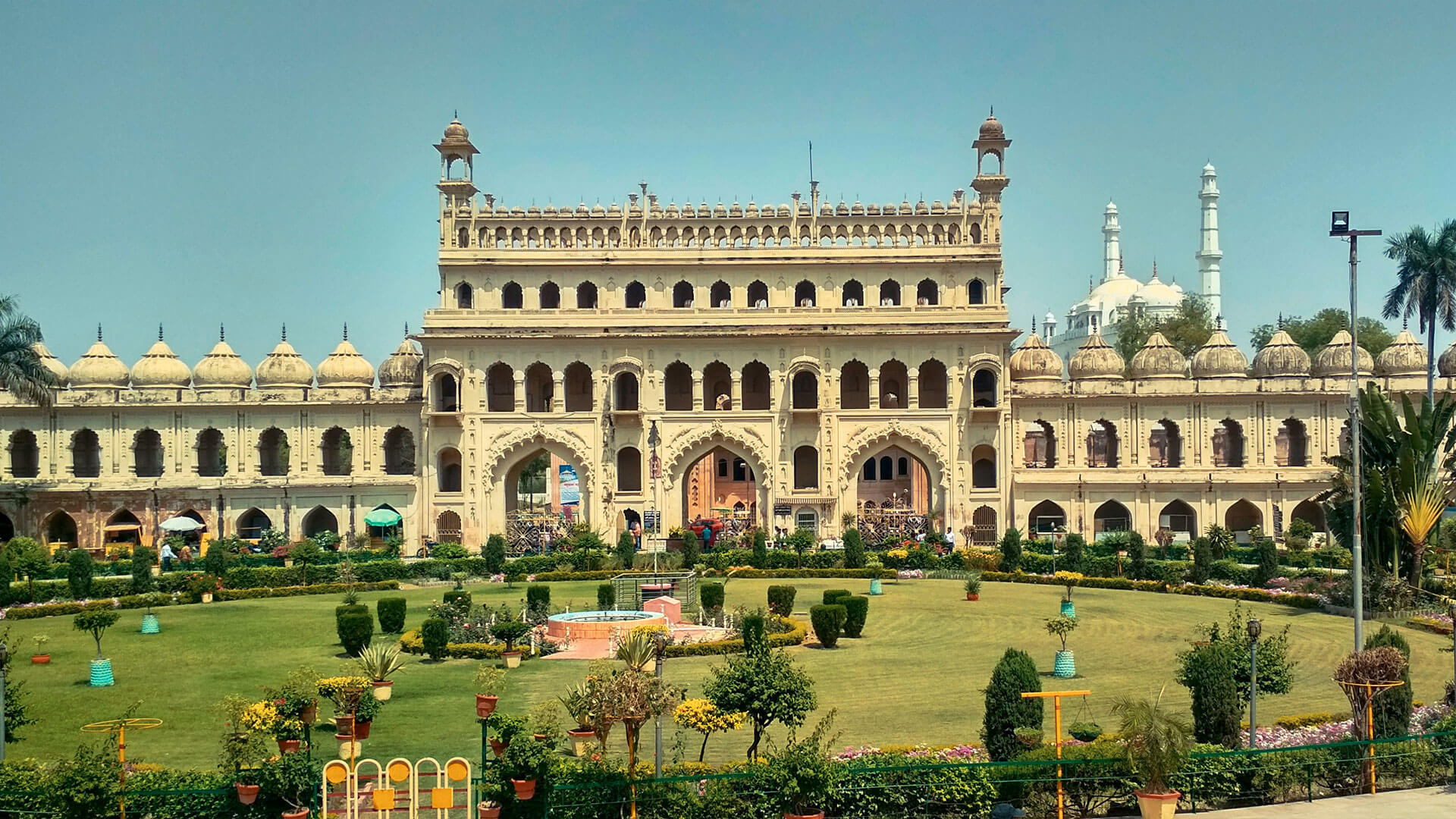
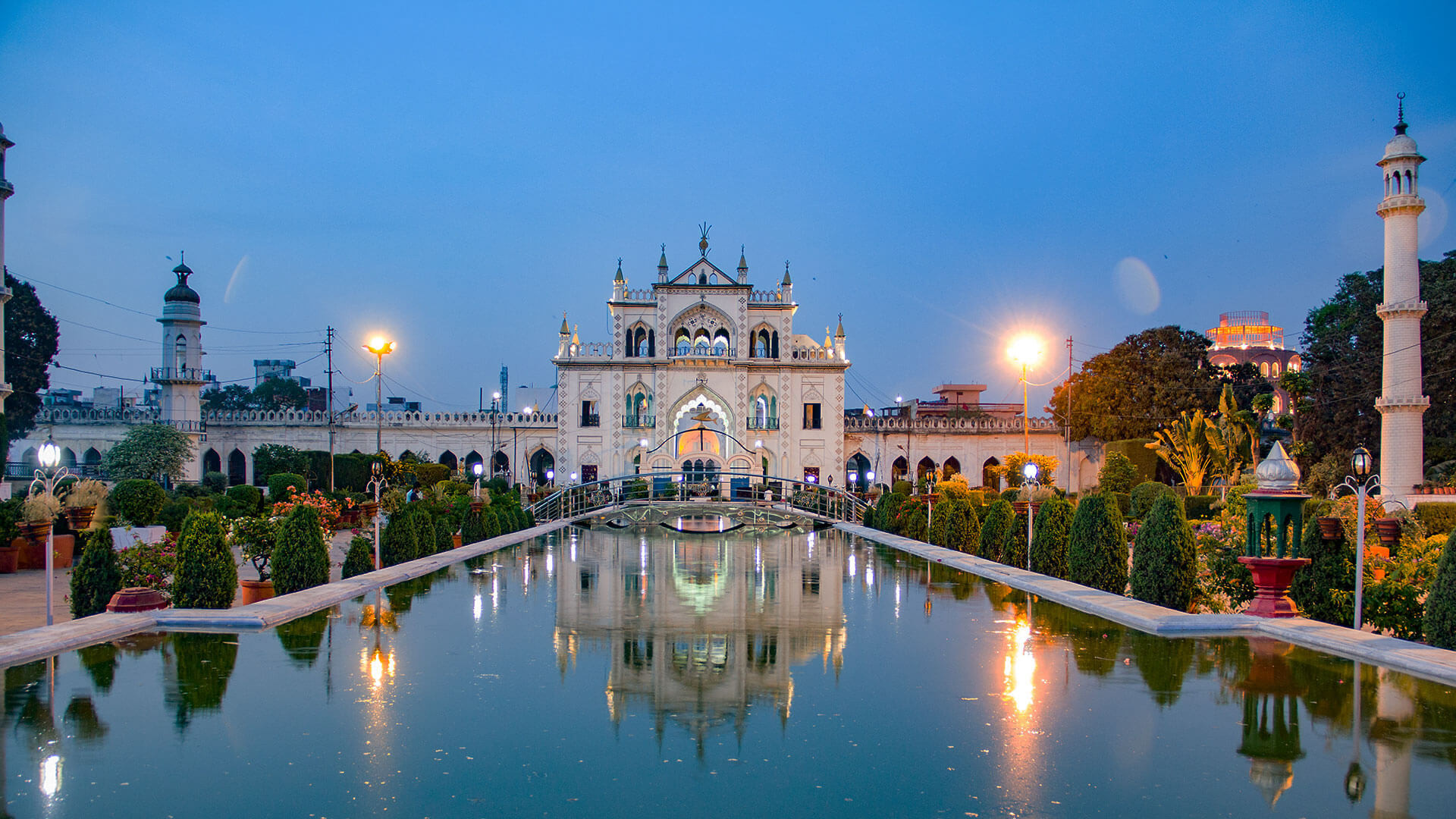
Inscribed as the world heritage site by UNESCO, Agra Fort is yet another beautiful monument that emerged from the Mughal era. Built-in the year 1573, it was the main residence for Mughal emperors before they moved their capital from Agra to Delhi in the year 1638. The Agra Fort is built at a distance of only 2.5 km to its sister monument Taj Mahal and has seen the reign of many emperors of different dynasties for centuries. All these had a tremendous impact on Agra Fort’s architecture. The fort can be described as a walled city and comprises many exquisite structures such as Jahangir Mahal, Moti Masjid, Macchi Bhawan, Diwan-i-Khas, Diwan-i-Am, and Khaas Mahal. The site was traditionally called Badalgarh and was made with bricks alone. The structure was of paramount importance for the Mughal rulers and hence Akbar decided to rebuild it. It took 4000 workers a total duration of eight years to complete this historical monument. It was reconstructed using red Sandstones from the Barauli area Dhaulpur district, in Rajasthan.
Agra Fort Information
- Location - Agra
- Timings - Sunrise to sunset; every day
- Entry - Only through Amar Singh Gate
- Entry Fee - ? 40 (Indians); ? 650 (foreigners); free entry for kids below the age of 15 years
- Still and Video Cameras - Allowed
- Commissioned by - Emperor Akbar
- Architectural Style - Mughal style
- Status - UNESCO World Heritage Site
- Area - 94 acres
- Year of Establishment - 1573
- Best Time to Visit - October to February
- Material Used - Red sandstone and marble
History of Agra Fort
Agra Fort has a very rich history and has witnessed many ups and downs. After Babur defeated Ibrahim Lodi in the first battle of Panipat in the year 1526, he captured his residence. The fort underwent some modifications after that. A ‘Baoli’, i.e. a stepwell was constructed inside the fort. The fort also witnessed the coronation of Babur’s successor Humayun in the year 1530. However the latter lost the monument to Sher Shah Suri at Bilgram in the year 1540. The fort went through minor architectural changes under the ownership of the Emperor of the Sur Empire for the next fifteen years. However, in the year 1555, Humayun recaptured Agra as well as the fort only to lose it a year later to Hemu Vikramaditya, the general and military commander of Adil Shah Suri. Hemu pursued the fleeing army of Tardi Beg Khan, the military commander of Mughals to Delhi, and was met by Mughals in the Battle of Tughlaqabad.
After Akbar regained possession of the monument in the year 1556, he decided to rebuild it with red sandstones, an element characteristic of his architectural taste.
It was in the reign of his grandson, Shah Jahan that the fort underwent modifications and took its current form to become one of the most visited tourist places in Agra. In the early 17th century, the fort was captured by the Maratha Empire. The later years witnessed numerous changes in ownership of the fort, mostly the Maratha emperors and their opponents including Mughals.
In 1761, the Marathas were defeated by Ahmad Shah Durrani, and the fort became the residence for the Durrani dynasty until 1785. In the year 1785, the Agra Fort was recaptured by the Marathas under the leadership of Mahadji Shinde. Later the Marathas lost the fort to Britishers in the Anglo-Maratha war. However, after the independence of India in 1947, the fort was handed over to the government of India.
Places To Visit in and around Agra Fort
1. Taj Mahal
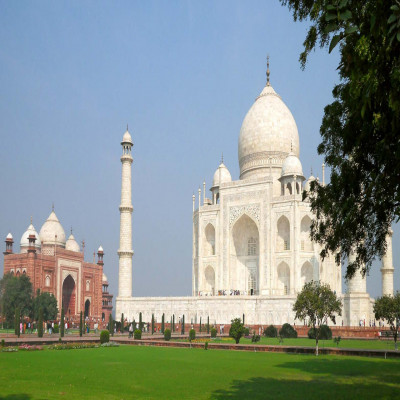
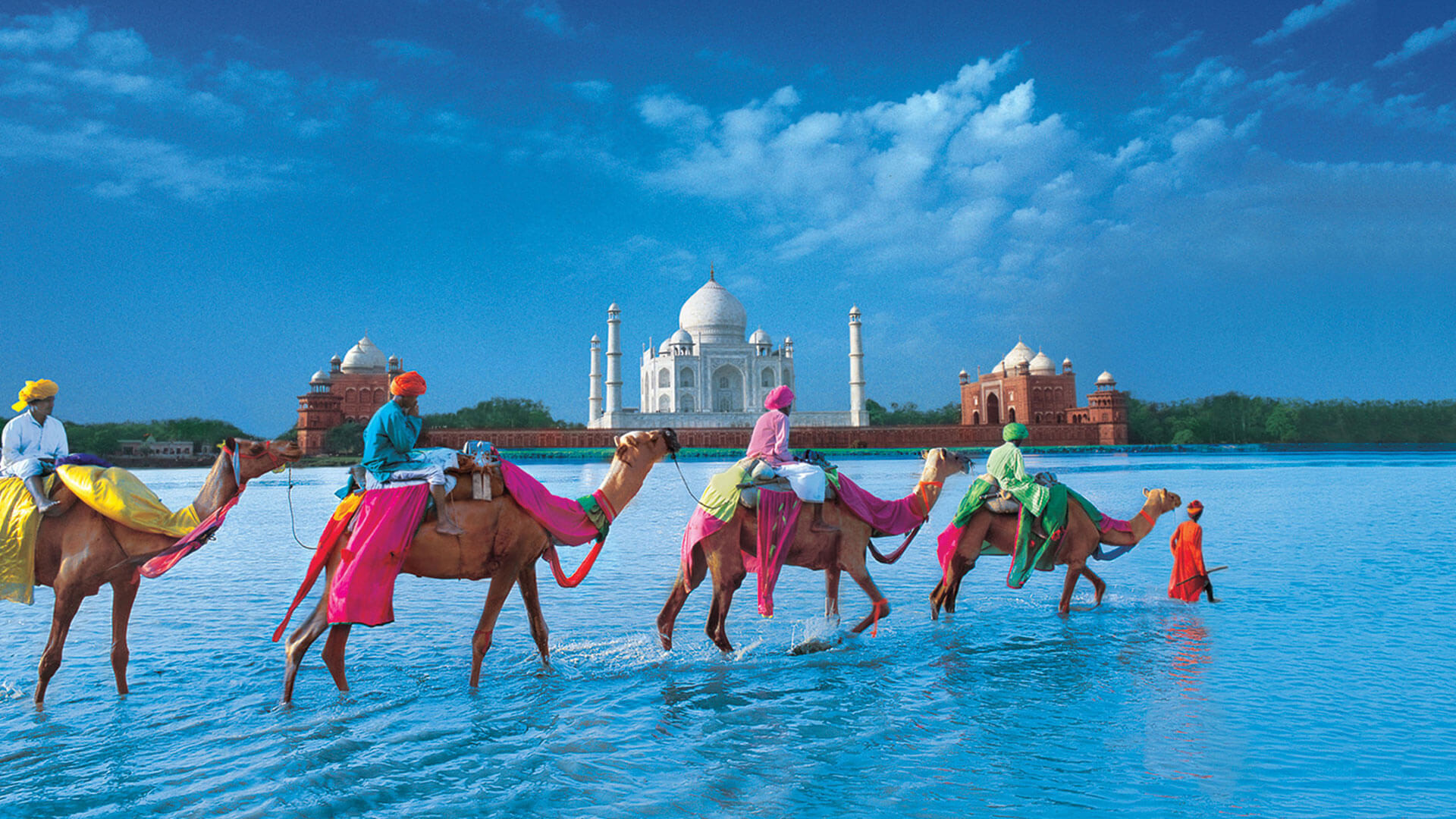
Taj Mahal is an ivory-white marble mausoleum built on the banks of the Yamuna river is the most beautiful place to visit near Agra Fort. Built-in the memory of Shah Jahan’s favorite wife, Mumtaz Mahal, it houses the tombs of both Shah Jahan and Mumtaz Mahal. In 1983, the Taj Mahal was designated as a UNESCO World Heritage Site for being the Jewel of Muslim art in India and one of the universally admired masterpieces of the world's heritage.
2. Jahangir Mahal
Although Agra fort originally had four gates, today only Amar Singh gate is used by visitors for entry. After one enters from the gate, the first building to be seen in the vicinity is the Jahangir Mahal, a colossal part of Agra Tourism. Named after Akbar’s son Jahangir, the Mahal was originally built as a women's quarter called Zenana and was used by Rajput wives of Akbar. The most striking feature of the palace is its simplicity. It is built of stone and the exterior is intricately decorated. It also served as the main residence of Nur Jahan, the wife of Jahangir.
3. Khaas Mahal
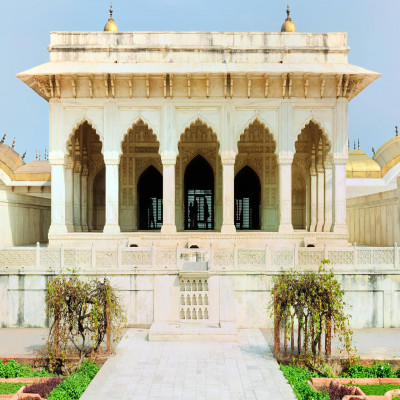
Khaas Mahal demonstrates a blend of characteristics, Islamic-Persian features and Hindu features such as chhatri depicts solidarity. Made up of white marble with beautiful paintings on its surface, Khaas Mahal served as the emperor’s sleeping room or ‘Arambagh’.
4. Sheesh Mahal
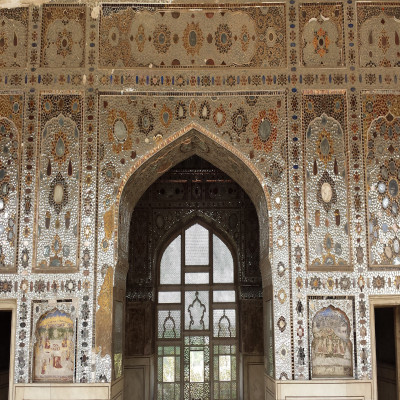
Visiting Sheesh Mahal should be at the top of your priority list when you are searching for things to do in Agra. Sheesh, Mahal, or the palace of glass is the finest example of glass mosaic decoration and is yet another feast for eyes kind of a palace. The decorative water engineering is another sight to behold. This beautiful monument in Agra served as the harem or the dressing room.
Diwan-I-Khas, Shah Burj, Diwan-E-Am, and Moti Masjid are other consequential and beautiful places to visit in Agra.
How to Reach Agra Fort
If you plan to visit this beautiful monument situated in the Rakabganj area of Agra, Uttar Pradesh; you will have to cover a distance of 231 km, 1218 km, 1312 km, and 1935 km from Delhi, Mumbai, Kolkata, and Bengaluru respectively.
You can visit the fort throughout the week even on Fridays unlike its sister monument Taj Mahal. The Agra fort visiting time is from 6 am to 6 pm. However, the best time to visit the Agra fort is during sunrise or sunset. The entry ticket price for Indians is just Rs. 40 and entry is free for children below 15 years. However, foreign visitors will need to pay around Rs 550 to visit the monument.
By Air
The nearest airport to Agra Fort is Agra Civil or Kheria Airport. The fort is approximately 7 km away from the Airport and can be reached via NH44. Despite being an airbase for the Indian air force, Agra Airport is also used for the public flying base.
By Train
The nearest railway station to Agra fort is just 2kms away. Agra Fort railway station is situated in Mantola. Alternatively, you can reach the main railway station in Agra which is Agra Cantonment. The Distance of Agra Cantonment from the fort is around 5Kms.
By Road
You can also choose to travel by road. The nearest bus stand and also the largest in Agra city is the Idgah bus stand which is just 4kms away from Agra Fort. There are many deluxe, semi-deluxe, and standard buses connecting to various nearby cities such as Delhi, Jaipur, Lucknow, and Kanpur. You can also choose to cover the distance in a self-driven car or Taxi.
The distance from these cities are -
- Delhi - 232 km via Taj Express Highway or Yamuna Expressway
- Jaipur - 240 km via Bikaner-Agra Road
- Lucknow - 332 km via Agra Lucknow expressway
- Kanpur - 274 km via NH19 and Agra-Lucknow Expressway