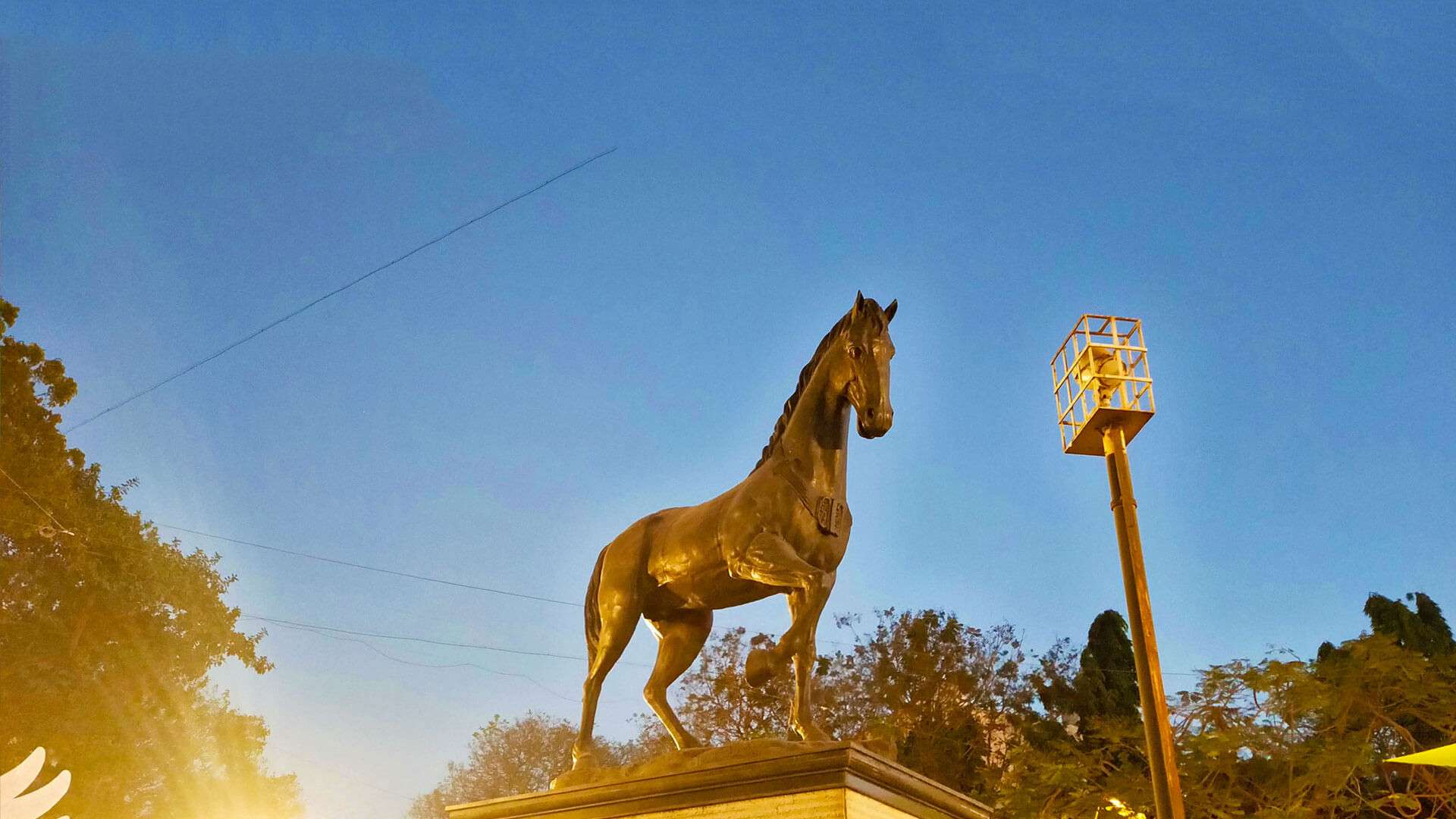
Elephanta Caves is named by the Portuguese who came in the 18th Century A.D and found sculptures of elephants near Elephanta Island.
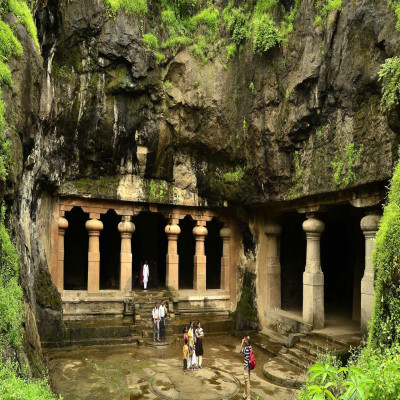
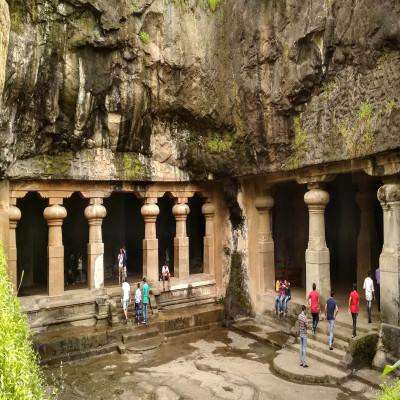
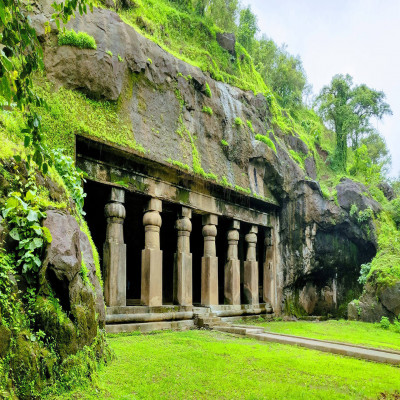
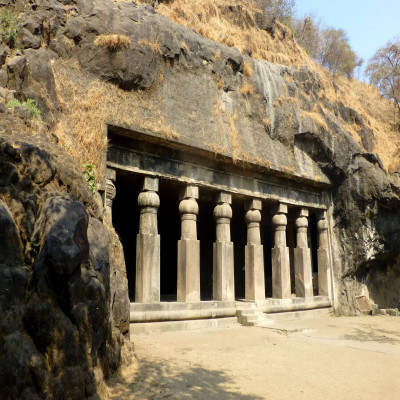
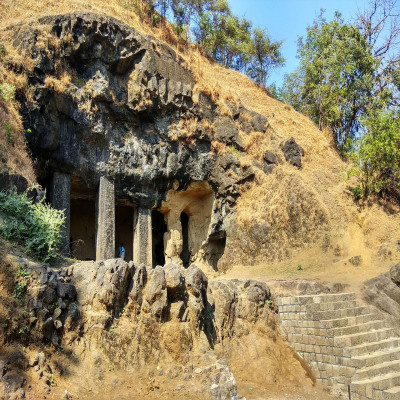
Elephanta Caves are one of the UNESCO World Heritage Sites that is a collection of caves cum temples that are inscribed with sculptures of Hindu God, Shiva. The site is located in Gharapuri, Mumbai.
Why You Should Visit Elephanta Caves
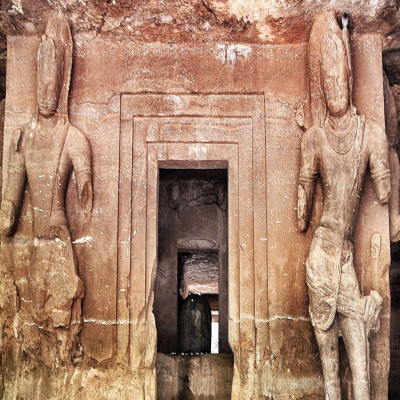
The Elephanta Caves contain rock-cut stone sculptures that show syncretism of Hindu and Buddhist ideas and iconography. The caves are hewn from solid basalt rock. Except for a few exceptions, much of the artwork is defaced and damaged.
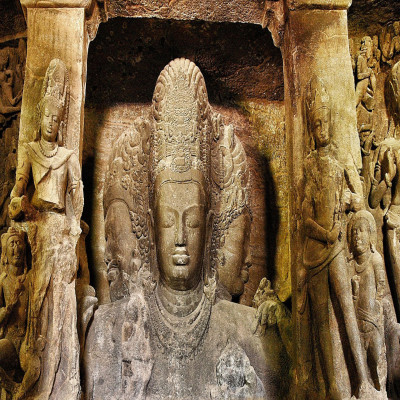
The main temple's orientation, as well as the relative location of other temples, is placed in a mandala pattern. The carvings narrate Hindu mythologies, with the large monolithic 20 feet (6.1 m) Trimurti Sadashiva (three-faced Shiva), Nataraja (Lord of Dance), and Yogishvara (Lord of Yoga) being the most celebrated.
History Of Elephanta Caves
According to the Archaeological Survey of India and UNESCO, the site was settled in ancient times and the cave temples were built between the 5th and 6th centuries. Contemporary scholars generally place the completion of the temples to the second quarter of the 6th century and as a continuation of the period of artistic flowering in the Gupta Empire era.
These scholars attribute these Cave temples to king Krishnaraja of the Kalachuri dynasty. The dating to a mid-6th century completion and it being a predominantly Shiva monument built by a Hindu Kalachuri king is based on numismatic evidence, inscriptions, construction style, and better dating of other Deccan cave temples including the Ajanta Caves, and the more firm dating of Dandin's Dasakumaracarita.
Top Attractions in Elephanta Caves
1. East Wing
There are several courtyards and one of them is situated in the eastern part of the caves. The courtyard consists of a beautiful wall painting.
2. West Wing
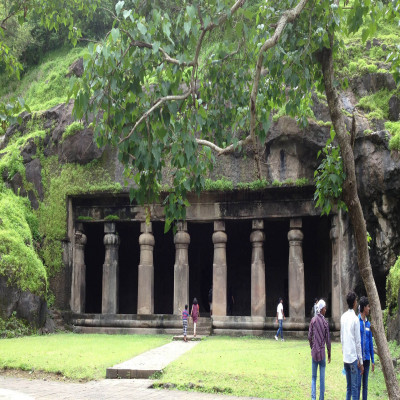
The West Wing of the site consists of pillars that are carved with pictures of Hindu gods. There is the sculpture of three-faced Brahma which is the most significant of them all.
3. Main Cave Shrine
The Main Cave Shrine or Central Shrine is a square cell that consists of entrances on each side. Including the symbols of Lord Shiva, there are also symbols of other Hindu deities.
4. Trimurti
Being the most important sculptures of Elephanta Caves, Trimurti is also considered as one of the paragons of Gupta-Chalukya art.
Things to Do in Elephanta Caves
1. Kulture Shop
The place is one of the popular places in Mumbai. Here, you can buy affordable art pieces and other lifestyle items.
2. Avante Cottage Crafts of India
Situated in Colaba, Mumbai, the place is mostly known for its wide collection of handicrafts.
Best Time to Visit Elephanta Caves
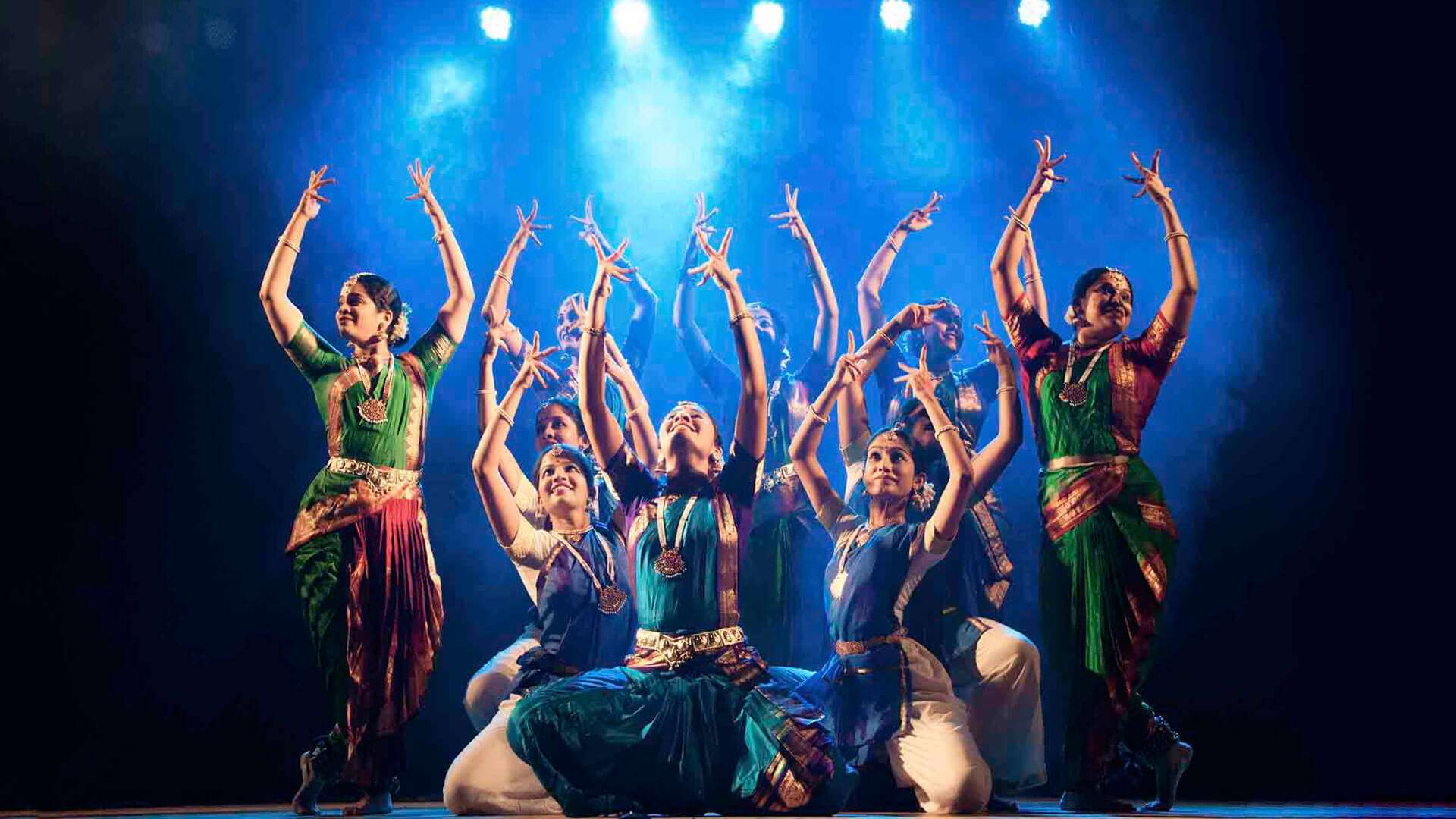
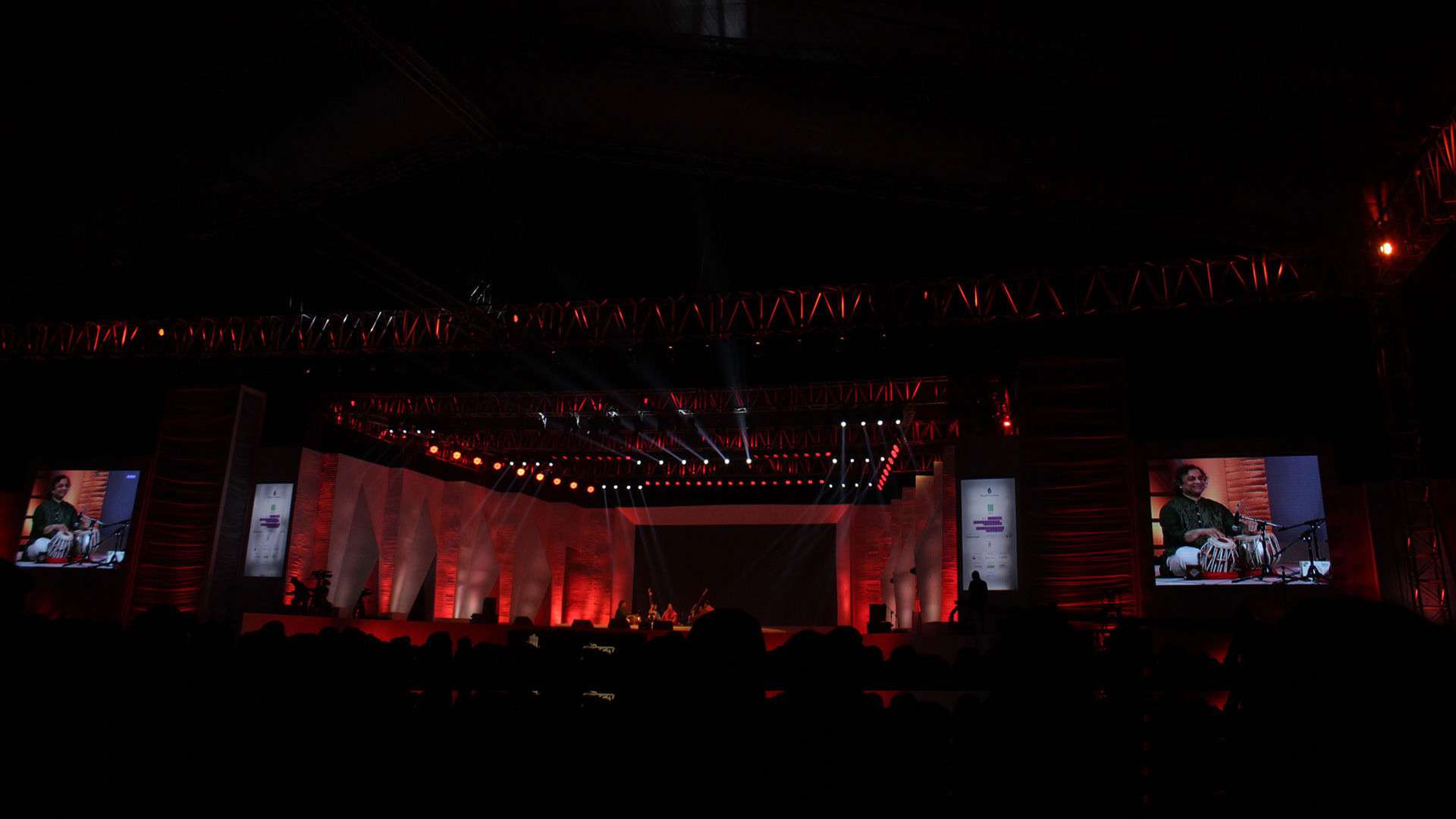
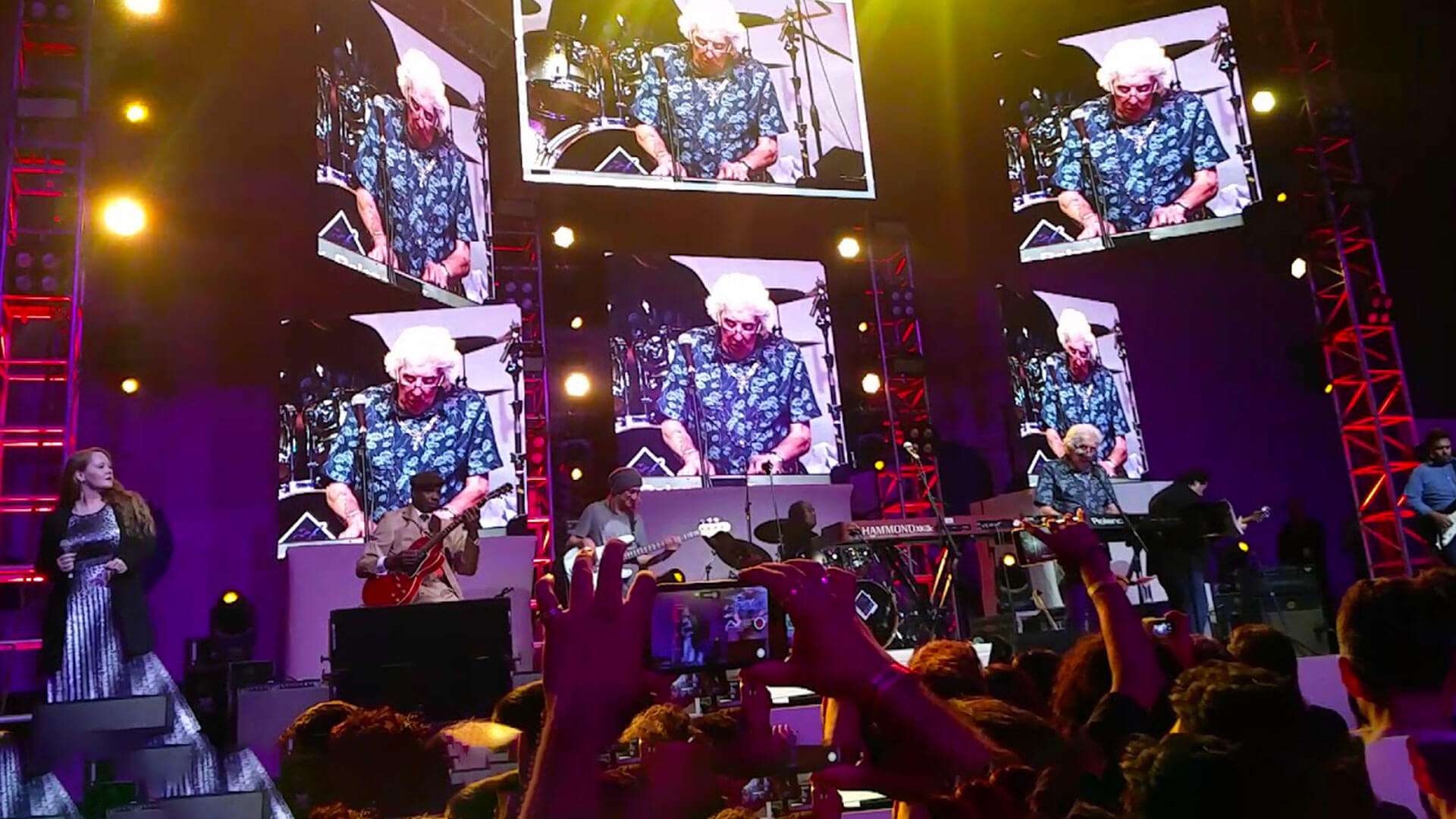
It is recommended to visit Elephanta Caves in the winter months from November to February. Also, if you visit in early February, you can get the chance to experience the magnificent Elephanta Festival.
How to Reach Elephanta Caves?
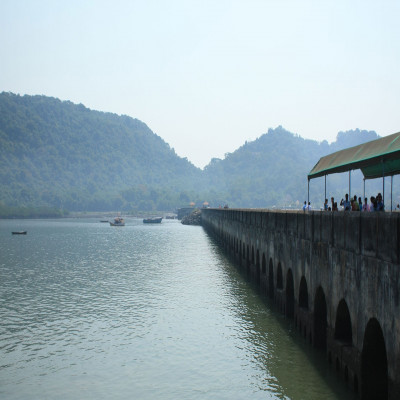
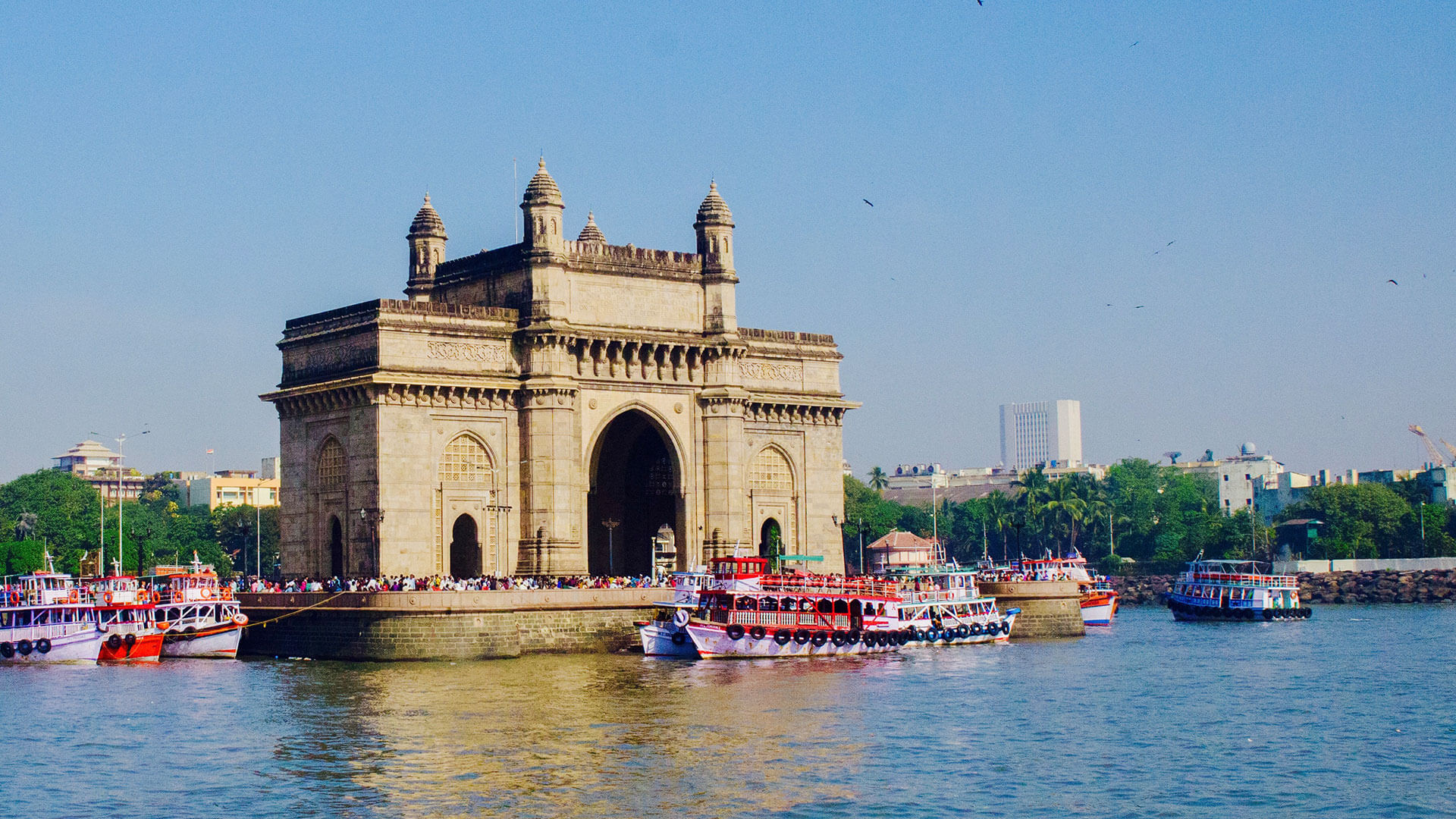
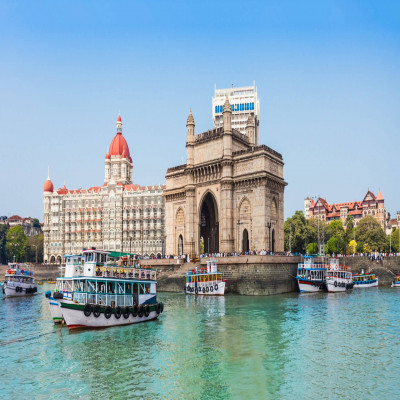
First, you need to reach the Gateway of India, Mumbai. Then, you can buy the tickets for the boat from Maharashtra Tourism Development Corp. The sea journey will take almost 1 hour to reach Elephanta Island.
You can plan your trip and create your own route to the city with Adotrip’s technically driven circuit planner. Click here.