.jpg)
Last Updated At: 25-Jun-2025
Cambodia is like a hidden treasure in Southeast Asia. But have you ever wondered what makes it truly special? It's the celebration of famous festivals in Cambodia. These festivals are not just days on a calendar; they tell the story of the country's heart and soul. Every year, these celebrations bring to life Cambodia's rich history, deep spiritual beliefs, and the joy of its people. From the ancient temples to the vibrant streets, the whole country buzzes with energy during these times.
The best part? Each festival is a chance to see Cambodia's famous landmarks, enjoy traditional music and dances, and even taste local dishes. If you're planning to visit, the festival season is the best time. You can get there by flying into Phnom Penh International Airport, which is near many festival locations. So, dive into the heart of Cambodia by joining in these celebrations. Read on to find out more about what makes each festival a must-see event.
Traditional Cambodian festivals are not mere events; they are time portals that can transport you to the soul of a country. And when it's the Cambodia festival calendar we're speaking of, you're in for a vibrant treat!

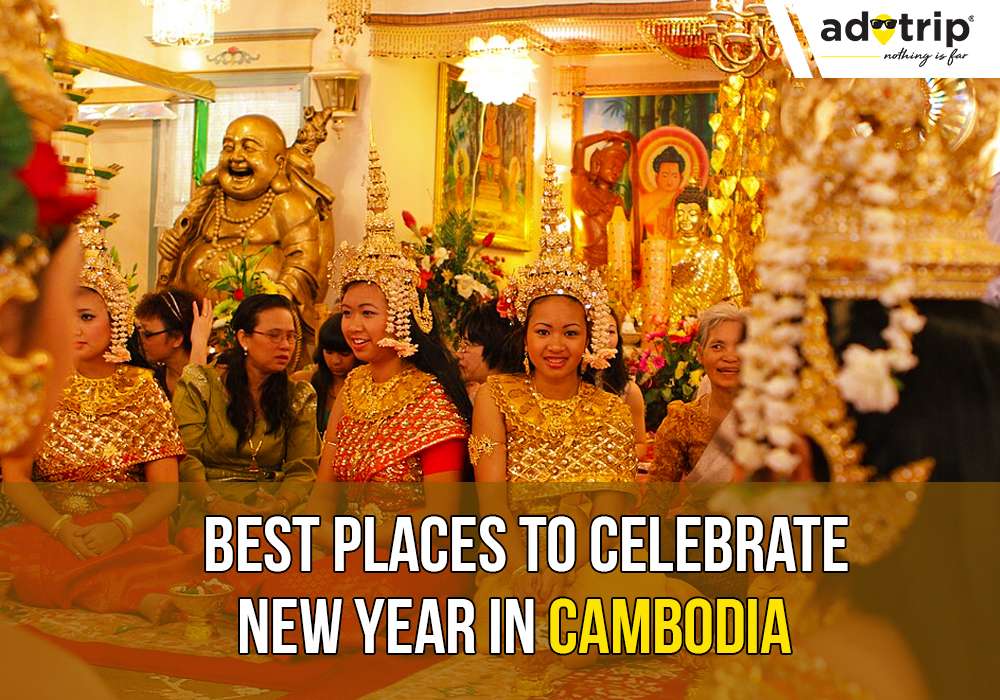
Angkor Wat, the heart of Cambodia, once the centre of the Khmer Empire, pulsates with life during the Angkor Festival Cambodia. Cambodian cultural celebrations transcend time, bringing back to life the tales and narratives from centuries gone by. Historians and tourists flock to witness this historical pageantry, where the tales of the Khmer kings, their valour, and the legacy of Angkor are celebrated. The dramatic representation by artists adorned in traditional attire resonates with the stories of yore, providing a visual treat.

The Cambodian coastline, with its pristine beaches and azure waters, is not just for leisure but also for celebration. The Sea Festival transcends the usual beach vacation. The shimmering waters bear witness to Cambodia's maritime history, and the gentle waves whisper tales of adventures. Local artisans set up stalls showcasing crafts inspired by the sea, and culinary experts present seafood dishes that tantalise the palate. It's an immersive experience of Cambodia's coastal culture.

This festival is a deep dive into Cambodia's royal legacy. The streets echo with ceremonial drums, and the air is filled with the fragrance of incense. People dressed in traditional royal attire take to the streets, re-enacting historical events and paying homage to the great kings and queens of the past. It's a spectacle of colour, history, and respect.

Cambodia's battle for independence is a testament to its resilience, and the day it achieved freedom from French colonisation is commemorated with zeal. The capital, Phnom Penh, has turned into a hub of activities. Monumental structures like the Independence Monument are illuminated, standing tall as symbols of Cambodia's unwavering spirit. Locals, donning the national colours, proudly showcase their heritage. School children perform plays, enacting key events leading to independence, ensuring that the newer generations understand the value of the freedom they enjoy today.

Choul Chhnam Thmey, often simply called Khmer New Year, is one of Cambodia's most widely celebrated festivals. It translates to "Enter the New Year" and marks the end of the harvesting season. As the scorching heat of April rolls in, Cambodians gather with family, celebrate their hard work, and welcome the new year with immense fervour.

The monarch holds a special place in the hearts of the Cambodians. King Norodom Sihamoni's birthday isn't just a royal celebration but the nation's celebration. Streets are adorned with portraits of the king, signalling unity and national pride. The Royal Palace in Phnom Penh sees special ceremonies with dignitaries paying their respects. Traditional dancers perform the Apsara dance, a UNESCO-recognized masterpiece of the oral and intangible heritage of humanity, showcasing Cambodia's rich artistic history.

During Pchum Ben, the line between the spiritual and the real world blurs. Families gather, often travelling long distances, to honour their ancestors. It's a time for reflection, gratitude, and remembrance. The mornings start with monks chanting in pagodas, followed by families making "Bay Ben" - balls of rice and sesame, which are thrown as offerings.

A day steeped in spirituality, Magha Puja Day honours the occasion when Buddha delivered core teachings to his disciples. Temples are at the heart of celebrations, with devotees gathering to meditate, chant, and listen to monks elucidate Buddha's teachings. The soft luminescence of candles, as monks and devotees form processions, creates an ethereal atmosphere. It's a day of merit-making, with believers engaging in charitable activities, setting birds and animals free as an act of liberation, and reaffirming their commitment to the Eight Precepts of Buddhism.

The rivers turn into avenues of celebration during the Water Festival Cambodia. The sight of ornate boats, rowed in harmony, battling it out in races, is a treat. The rhythmic chants of the rowers, synchronising with the beats of the drums, are exhilarating. Nightfall doesn't dim the celebrations; instead, the night sky lights up with lanterns, creating a mirage of stars on the river.

This festival is a profound journey into the teachings of Buddha. Devotees clad in white visit temples, paying homage to the Enlightened One. Stories of Buddha's life, his journey to enlightenment, and his teachings are narrated and reflected upon. The serene ambience, the soft glow of the candles, and the air filled with chants make it an enriching spiritual experience.

At the heart of Cambodia's cultural and festive tapestry lies the Khmer New Year, commonly referred to as the Cambodian New Year festival. Celebrated with unmatched zeal and enthusiasm, it marks a transition not just in the calendar but also resonates with the ebbs and flows of life in this vibrant Southeast Asian nation.
Major Attractions:
Date: Celebrated from 13th to 16th April 2025
How to Celebrate: Engage in traditional games and share joyous moments with locals
Each of these festivals serves as a key, unlocking the treasures of Cambodia's culture, heritage, and the hearts of its people.
Read More : Places To Visit In Combodia
Cambodia's festivals are the gateway to understanding its unique culture and history. They're not just events; they're experiences that paint a vivid picture of the nation's soul. Through music, dance, food, and rituals, these festivals connect the past with the present and bring people together in celebration. Whether you're exploring the ancient Angkor Wat during a cultural festival or watching boat races on the Tonle Sap River, you're participating in traditions that have shaped Cambodia for centuries. Don't miss the chance to be part of these incredible celebrations.
Plan your trip with Adotrip today. Enjoy a wealth of information, end-to-end travel assistance and BOOK Flights, Hotels, and Tour Packages under one roof.
With Adotrip, nothing is far!
Q1: What are the most famous and culturally significant festivals in Cambodia?
A1: Cambodia boasts a plethora of culturally significant festivals. Among the most notable are the Khmer New Year (Choul Chhnam Thmey), Water Festival (Bon Om Touk), Pchum Ben (Ancestral Remembrance Day), Angkor Festival, and Cambodian Independence Day. Each festival is a vibrant reflection of the country's rich history, traditions, and communal spirit.
Q2: How can I experience the traditional music and dance festivals in Cambodia?
A2: To experience traditional music and dance, attend the Angkor Festival in Siem Reap, which showcases mesmerising performances set against the backdrop of ancient temples. Also, many cultural centres and local villages host traditional music and dance events, so make sure to keep an eye on local listings and calendars when you visit.
Q3: What are the best religious festivals and celebrations to attend in Cambodia?
A3: Vesak Bochea, which celebrates Buddha's birth, enlightenment, and death; Magha Puja Day, marking Buddha's significant teachings; and Pchum Ben, a 15-day religious festival to remember the ancestors, are the most prominent religious celebrations in Cambodia. These offer an immersive experience of Cambodia's spiritual ethos.
Q4: Which cities host the most exciting and colourful Water Festival celebrations?
A4: Phnom Penh, the capital, is renowned for its grand Water Festival celebrations. However, Siem Reap, Battambang, and Sisophon also host vibrant celebrations. These cities come alive with boat races, parades, and night-time festivities during the Water Festival.
Q5: What are the top film festivals and arts events to attend in Cambodia?
A5: The Cambodia International Film Festival, held primarily in Phnom Penh, is the premier event for film enthusiasts. For art aficionados, the Kampot Readers & Writers Festival and the ChubMet Music & Arts Festival in Siem Reap offer a diverse range of activities and performances.
Q6: How can I celebrate traditional Cambodian holidays and cultural festivals?
A6: The best way is to immerse yourself locally. Stay in a homestay, participate in local customs, try traditional foods, join village celebrations, and engage with the locals to understand the true essence and rituals of each festival.
Q7: What are the best places to enjoy Cambodian folklore and traditional arts?
A7: Siem Reap is a hub for traditional arts, especially with institutions like the Cambodia Living Arts organisation that hosts performances. Phare, The Cambodian Circus in Siem Reap, also blends folklore with contemporary arts. Besides, local villages often have traditional storytelling sessions, offering a direct link to Cambodian folklore.
Q8: Are there any unique and regional festivals worth attending in Cambodia?
A8: Yes, along with national festivals, there are regional ones like the Sea Festival celebrated in coastal towns such as Sihanoukville, Kep, and Koh Kong. Such regional festivals provide a unique lens into the local culture, traditions, and celebrations.
Q9: What are the top boat races and Bon Om Touk festivals in Cambodia?
A9: The most illustrious boat races occur during the Water Festival (Bon Om Touk) in Phnom Penh, where teams from across the country compete on the Tonle Sap River. Siem Reap and Battambang also host their version of boat races, albeit on a smaller scale but equally captivating.
Q10: How can I plan a visit to coincide with Cambodia's Khmer New Year and Pchum Ben Festival celebrations?
A10: The Khmer New Year usually falls from the 13th to the 15th of April, while Pchum Ben is observed in September or October depending on the lunar calendar. To plan your visit, it's wise to check the specific dates for the year you're travelling and make reservations in advance, as these are peak festival periods attracting both locals and tourists.
Angkor Wat, the heart of Cambodia, once the centre of the Khmer Empire, pulsates with life during the Angkor Festival Cambodia. Cambodian cultural celebrations transcend time, bringing back to life the tales and narratives from centuries gone by. Historians and tourists flock to witness this historical pageantry, where the tales of the Khmer kings, their valour, and the legacy of Angkor are celebrated. The dramatic representation by artists adorned in traditional attire resonates with the stories of yore, providing a visual treat.
The Cambodian coastline, with its pristine beaches and azure waters, is not just for leisure but also for celebration. The Sea Festival transcends the usual beach vacation. The shimmering waters bear witness to Cambodia's maritime history, and the gentle waves whisper tales of adventures. Local artisans set up stalls showcasing crafts inspired by the sea, and culinary experts present seafood dishes that tantalise the palate. It's an immersive experience of Cambodia's coastal culture.
This festival is a deep dive into Cambodia's royal legacy. The streets echo with ceremonial drums, and the air is filled with the fragrance of incense. People dressed in traditional royal attire take to the streets, re-enacting historical events and paying homage to the great kings and queens of the past. It's a spectacle of colour, history, and respect.
Cambodia's battle for independence is a testament to its resilience, and the day it achieved freedom from French colonisation is commemorated with zeal. The capital, Phnom Penh, has turned into a hub of activities. Monumental structures like the Independence Monument are illuminated, standing tall as symbols of Cambodia's unwavering spirit. Locals, donning the national colours, proudly showcase their heritage. School children perform plays, enacting key events leading to independence, ensuring that the newer generations understand the value of the freedom they enjoy today.
Choul Chhnam Thmey, often simply called Khmer New Year, is one of Cambodia's most widely celebrated festivals. It translates to "Enter the New Year" and marks the end of the harvesting season. As the scorching heat of April rolls in, Cambodians gather with family, celebrate their hard work, and welcome the new year with immense fervour.
The monarch holds a special place in the hearts of the Cambodians. King Norodom Sihamoni's birthday isn't just a royal celebration but the nation's celebration. Streets are adorned with portraits of the king, signalling unity and national pride. The Royal Palace in Phnom Penh sees special ceremonies with dignitaries paying their respects. Traditional dancers perform the Apsara dance, a UNESCO-recognized masterpiece of the oral and intangible heritage of humanity, showcasing Cambodia's rich artistic history.
During Pchum Ben, the line between the spiritual and the real world blurs. Families gather, often travelling long distances, to honour their ancestors. It's a time for reflection, gratitude, and remembrance. The mornings start with monks chanting in pagodas, followed by families making "Bay Ben" - balls of rice and sesame, which are thrown as offerings.
A day steeped in spirituality, Magha Puja Day honours the occasion when Buddha delivered core teachings to his disciples. Temples are at the heart of celebrations, with devotees gathering to meditate, chant, and listen to monks elucidate Buddha's teachings. The soft luminescence of candles, as monks and devotees form processions, creates an ethereal atmosphere. It's a day of merit-making, with believers engaging in charitable activities, setting birds and animals free as an act of liberation, and reaffirming their commitment to the Eight Precepts of Buddhism.
The rivers turn into avenues of celebration during the Water Festival Cambodia. The sight of ornate boats, rowed in harmony, battling it out in races, is a treat. The rhythmic chants of the rowers, synchronising with the beats of the drums, are exhilarating. Nightfall doesn't dim the celebrations; instead, the night sky lights up with lanterns, creating a mirage of stars on the river.
This festival is a profound journey into the teachings of Buddha. Devotees clad in white visit temples, paying homage to the Enlightened One. Stories of Buddha's life, his journey to enlightenment, and his teachings are narrated and reflected upon. The serene ambience, the soft glow of the candles, and the air filled with chants make it an enriching spiritual experience.
At the heart of Cambodia's cultural and festive tapestry lies the Khmer New Year, commonly referred to as the Cambodian New Year festival. Celebrated with unmatched zeal and enthusiasm, it marks a transition not just in the calendar but also resonates with the ebbs and flows of life in this vibrant Southeast Asian nation.
Major Attractions:
Date: Celebrated from 13th to 16th April 2024
How to Celebrate: Engage in traditional games and share joyous moments with locals
Each of these festivals serves as a key, unlocking the treasures of Cambodia's culture, heritage, and the hearts of its people.
Read More : Places To Visit In Combodia
Cambodia's festivals are the gateway to understanding its unique culture and history. They're not just events; they're experiences that paint a vivid picture of the nation's soul. Through music, dance, food, and rituals, these festivals connect the past with the present and bring people together in celebration. Whether you're exploring the ancient Angkor Wat during a cultural festival or watching boat races on the Tonle Sap River, you're participating in traditions that have shaped Cambodia for centuries. Don't miss the chance to be part of these incredible celebrations.
Plan your trip with Adotrip today. Enjoy a wealth of information, end-to-end travel assistance and BOOK Flights, Hotels, and Tour Packages under one roof.
With Adotrip, nothing is far!
Q1: What are the most famous and culturally significant festivals in Cambodia?
A1: Cambodia boasts a plethora of culturally significant festivals. Among the most notable are the Khmer New Year (Choul Chhnam Thmey), Water Festival (Bon Om Touk), Pchum Ben (Ancestral Remembrance Day), Angkor Festival, and Cambodian Independence Day. Each festival is a vibrant reflection of the country's rich history, traditions, and communal spirit.
Q2: How can I experience the traditional music and dance festivals in Cambodia?
A2: To experience traditional music and dance, attend the Angkor Festival in Siem Reap, which showcases mesmerising performances set against the backdrop of ancient temples. Also, many cultural centres and local villages host traditional music and dance events, so make sure to keep an eye on local listings and calendars when you visit.
Q3: What are the best religious festivals and celebrations to attend in Cambodia?
A3: Vesak Bochea, which celebrates Buddha's birth, enlightenment, and death; Magha Puja Day, marking Buddha's significant teachings; and Pchum Ben, a 15-day religious festival to remember the ancestors, are the most prominent religious celebrations in Cambodia. These offer an immersive experience of Cambodia's spiritual ethos.
Q4: Which cities host the most exciting and colourful Water Festival celebrations?
A4: Phnom Penh, the capital, is renowned for its grand Water Festival celebrations. However, Siem Reap, Battambang, and Sisophon also host vibrant celebrations. These cities come alive with boat races, parades, and night-time festivities during the Water Festival.
Q5: What are the top film festivals and arts events to attend in Cambodia?
A5: The Cambodia International Film Festival, held primarily in Phnom Penh, is the premier event for film enthusiasts. For art aficionados, the Kampot Readers & Writers Festival and the ChubMet Music & Arts Festival in Siem Reap offer a diverse range of activities and performances.
Q6: How can I celebrate traditional Cambodian holidays and cultural festivals?
A6: The best way is to immerse yourself locally. Stay in a homestay, participate in local customs, try traditional foods, join village celebrations, and engage with the locals to understand the true essence and rituals of each festival.
Q7: What are the best places to enjoy Cambodian folklore and traditional arts?
A7: Siem Reap is a hub for traditional arts, especially with institutions like the Cambodia Living Arts organisation that hosts performances. Phare, The Cambodian Circus in Siem Reap, also blends folklore with contemporary arts. Besides, local villages often have traditional storytelling sessions, offering a direct link to Cambodian folklore.
Q8: Are there any unique and regional festivals worth attending in Cambodia?
A8: Yes, along with national festivals, there are regional ones like the Sea Festival celebrated in coastal towns such as Sihanoukville, Kep, and Koh Kong. Such regional festivals provide a unique lens into the local culture, traditions, and celebrations.
Q9: What are the top boat races and Bon Om Touk festivals in Cambodia?
A9: The most illustrious boat races occur during the Water Festival (Bon Om Touk) in Phnom Penh, where teams from across the country compete on the Tonle Sap River. Siem Reap and Battambang also host their version of boat races, albeit on a smaller scale but equally captivating.
Q10: How can I plan a visit to coincide with Cambodia's Khmer New Year and Pchum Ben Festival celebrations?
A10: The Khmer New Year usually falls from the 13th to the 15th of April, while Pchum Ben is observed in September or October depending on the lunar calendar. To plan your visit, it's wise to check the specific dates for the year you're travelling and make reservations in advance, as these are peak festival periods attracting both locals and tourists.
--- Published By Arpita Mathur


.jpg)


Download Adotrip App Or Simply Subscribe To Get Exclusive Offers On Flights, Hotels, Buses And More
 Dubai
Dubai Malaysia
 USA
USA